Lundy Island
Years ago I read a book called “Attention All Shipping: A Journey Round the Shipping Forecast” (highly recommended!) and this is where I first heard about Lundy Island – and I’ve been wanting to visit it ever since 🙂 It’s 11 miles off the coast of North Devon (2 hours by ferry from Ilfracombe), about 5 km long and 1-1.5 km wide. It’s an amazing place where you really get away from it all: no cars, no wifi, no tv’s, hardly any mobile signal (and you get fined if you use your mobile in the pub). There is one village (populated mostly by Landmark Trust wardens) with a shop and a tavern, where they let you run a tab 🙂 People are really friendly. There are no signposts, explanations or warning signs and you don’t even have to stay on the paths – you are encouraged to explore the island with your own common sense. I love this attitude, and I totally fell in love with Lundy Island!
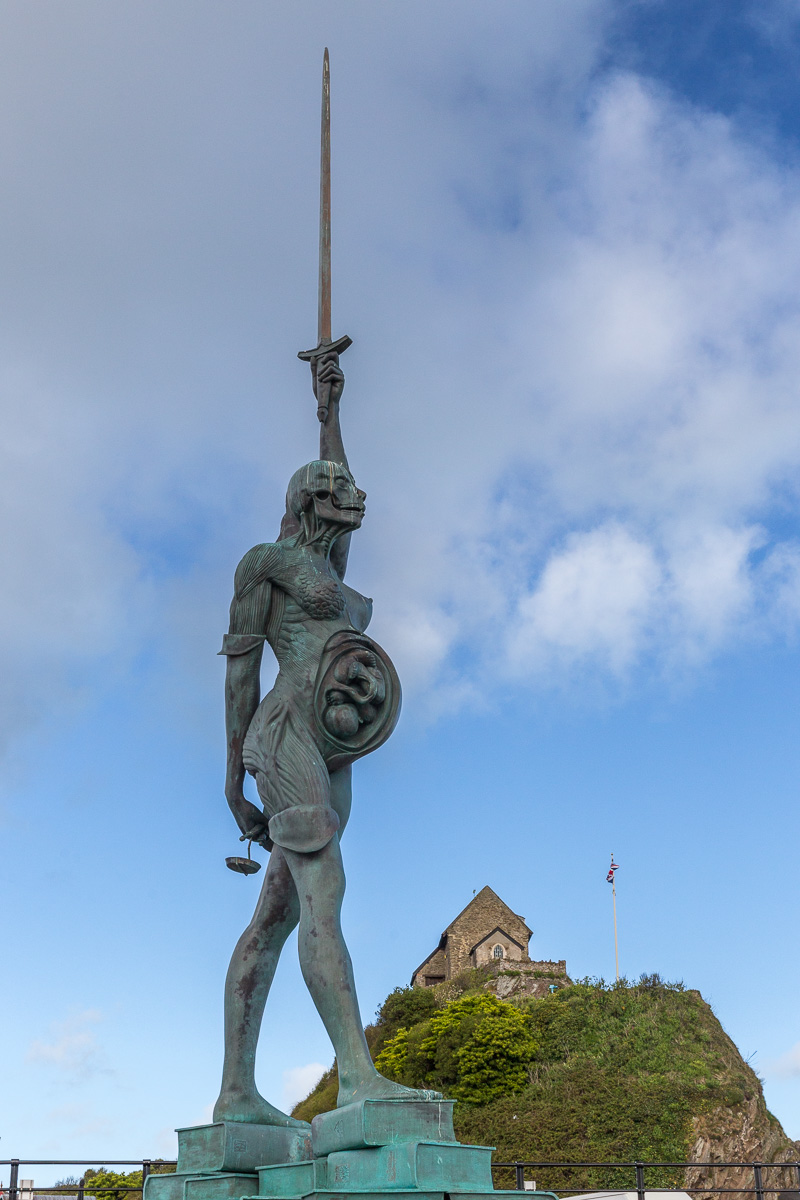
But I’m getting ahead of myself now, let’s start from the beginning. It took me 6 hours to reach Ilfracombe from Reading, where I had been for a course at ECMWF. The next morning I went to the harbour to check in for the ferry. They give you colour coded labels for your luggage, which is loaded on the boat in crates. Ilfracombe is a pretty village, but (like many others) I had mixed feelings about the enourmous Damien Hirst sculpture in the harbour – it seems quite out of place there.
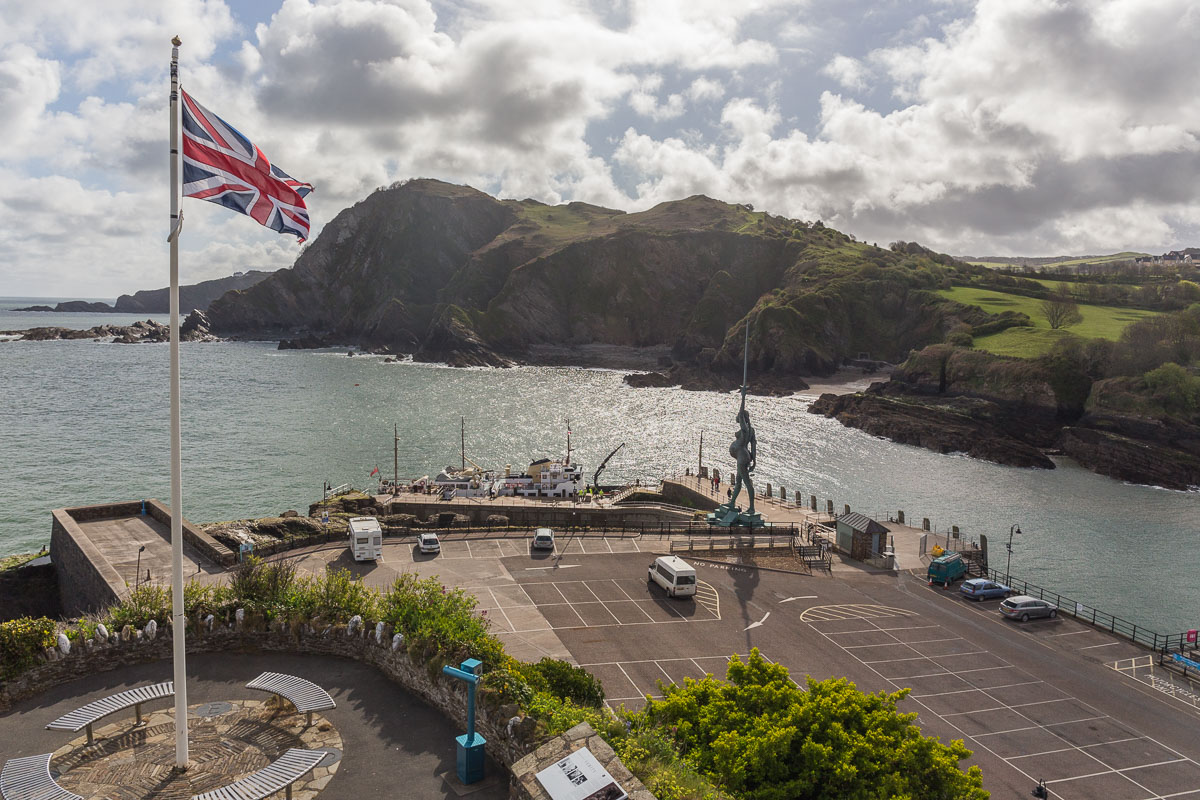
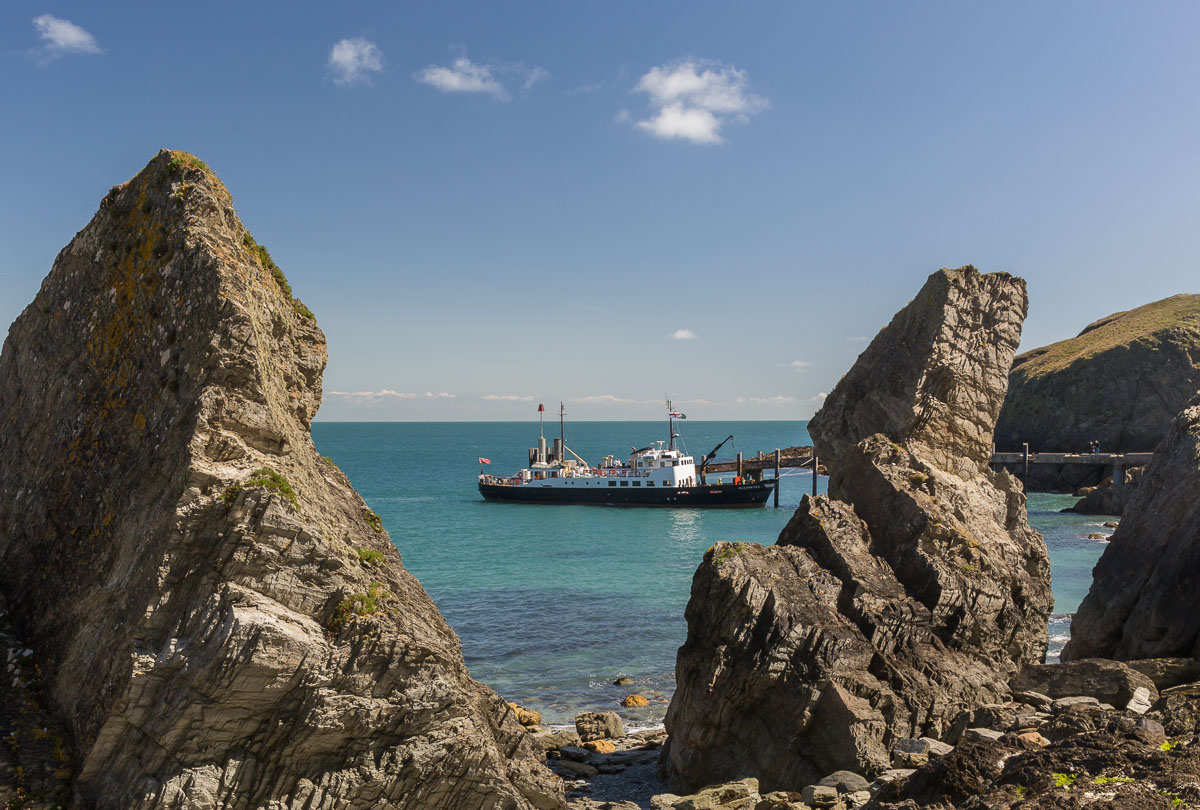
It was cloudy with a bit of rain in Ilfracombe, but it cleared up during the two hour trip to Lundy. The MS Oldenburg rolls quite a lot though, and several people were getting seasick. I was just having fun 🙂 it was very exciting to see the island come into view. From the jetty, everybody has to climb the hill to the top of the island (they do take some people up in a Landrover), but luckily you don’t have to carry your luggage – they deliver it to your cottage 🙂 People were either visiting for the day (4 hours on the island), or for 2 or more days. I would have loved to stay for a whole week 😉 but I had to get back to work so I stayed for 2 nights.
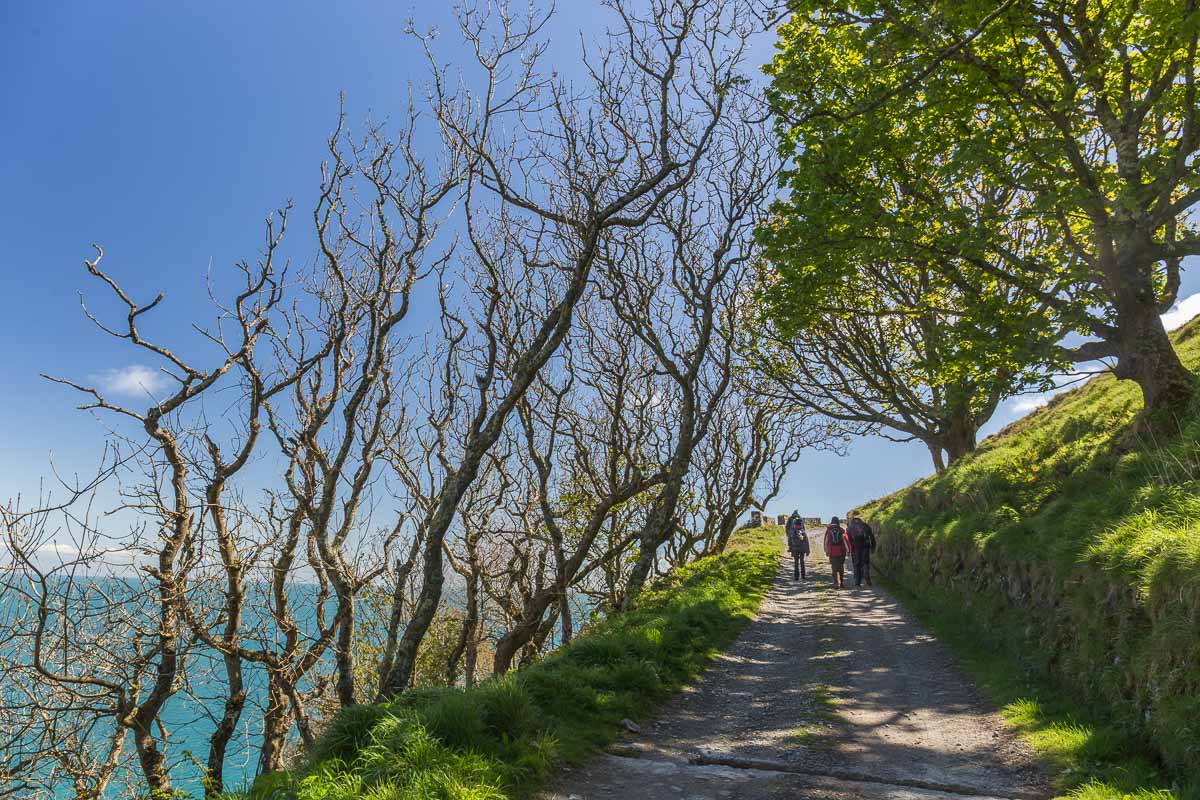
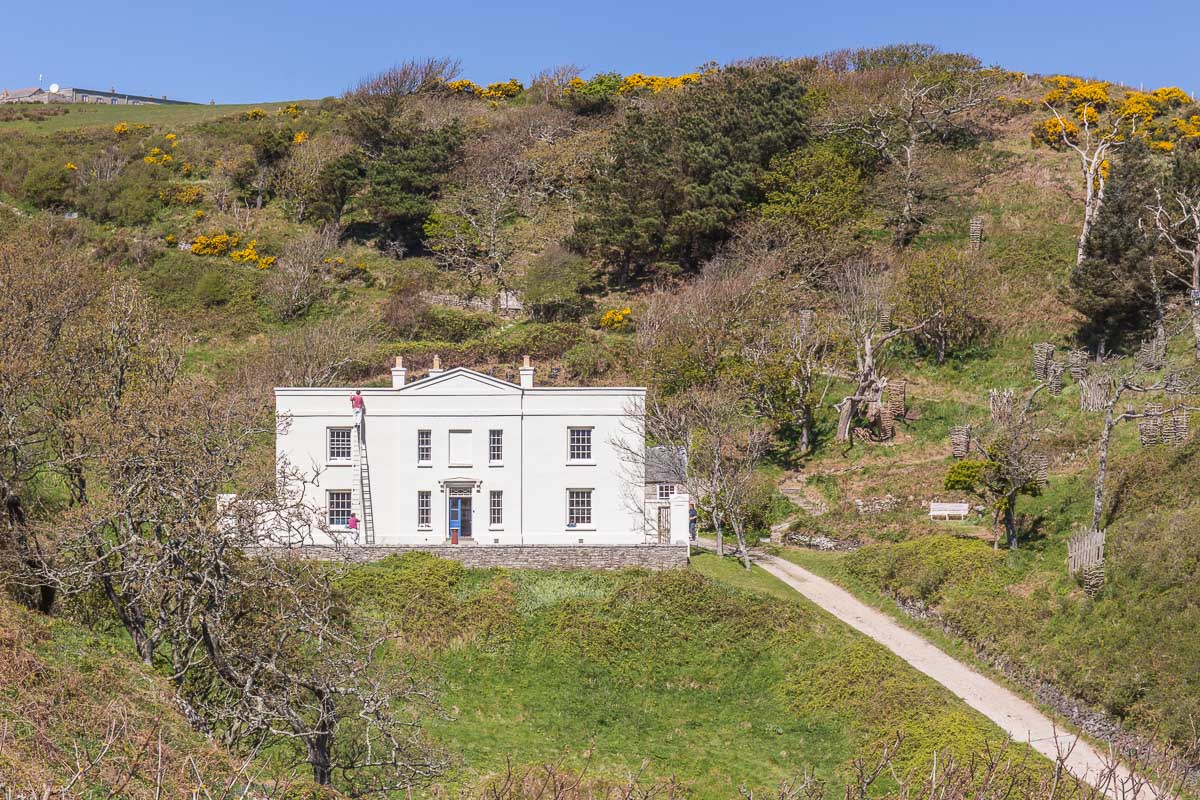
The Landmark Trust has lots of holiday rentals on the island, and they all look amazing. Millcombe House (below) sleeps 12 and is actually quite cheap if you share the cost with 12. I went to reception, where they told me my cottage was ready. I was more keen to just start hiking though, so I bought some chocolate biscuits (what’s a girl to do if the bread hasn’t arrived yet? 😉 ), rented binoculars and started walking. The sun was shining, it was going to be a beautiful day!
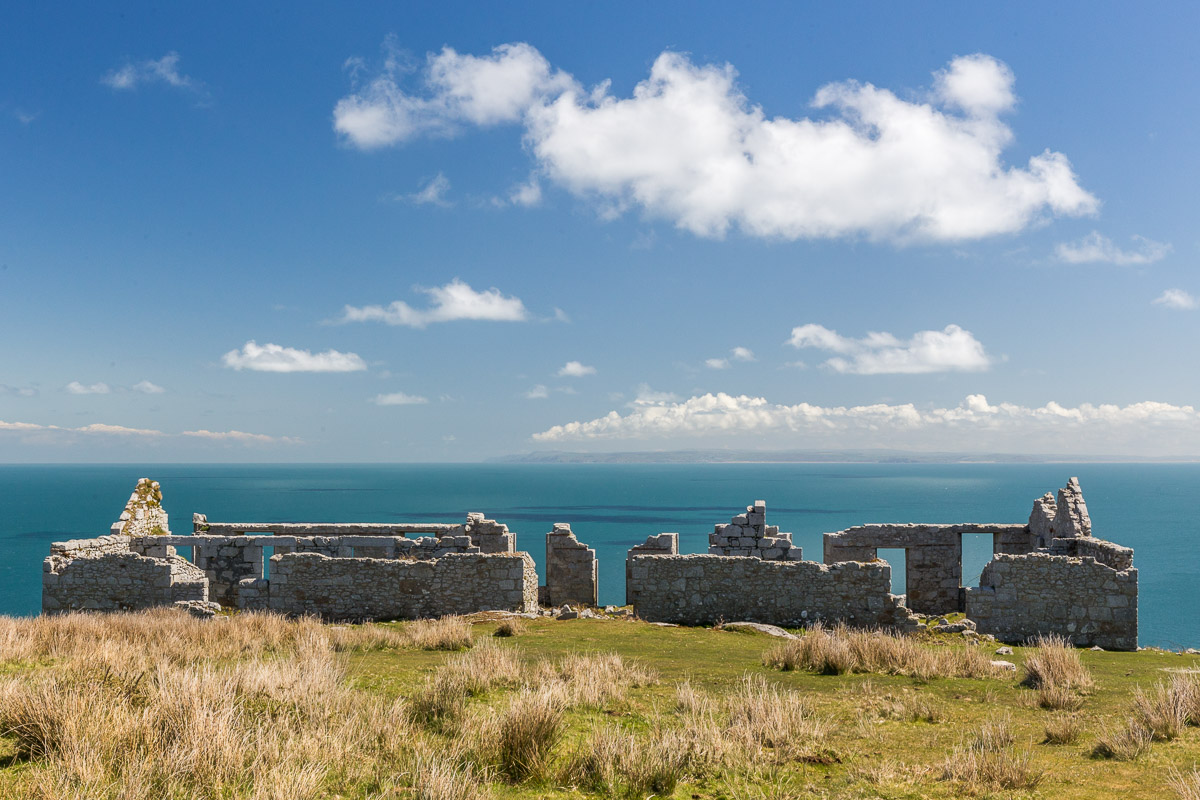
There was flowering gorse, very pretty against the blue sky. I visited the ruins of some cottages that I think belonged to an old quarry.

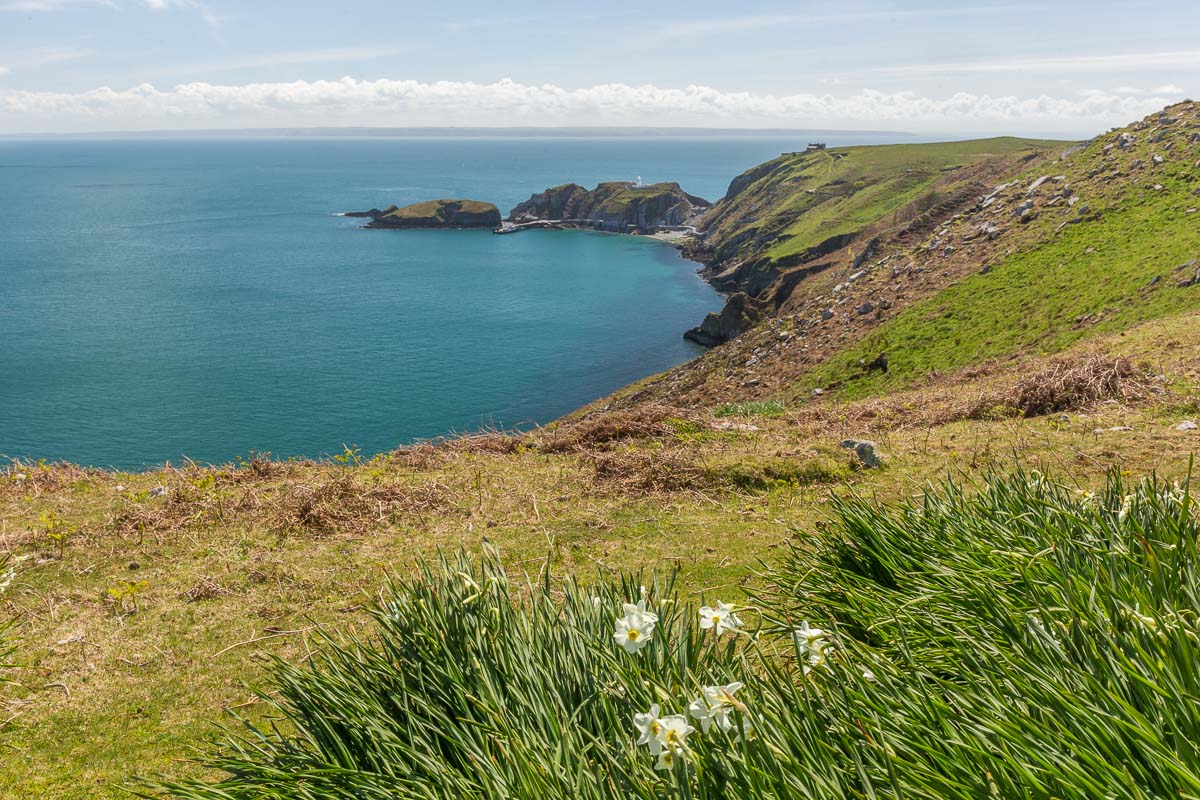
The view to the south was really nice 🙂
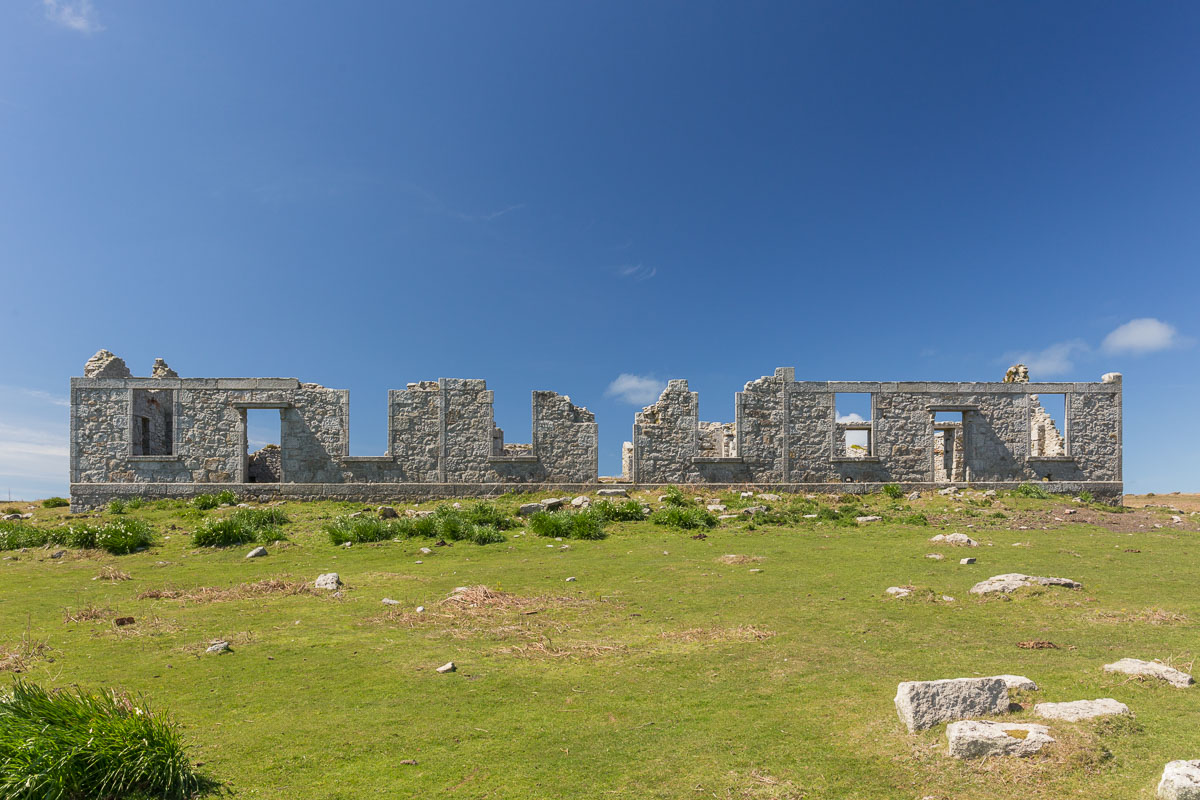
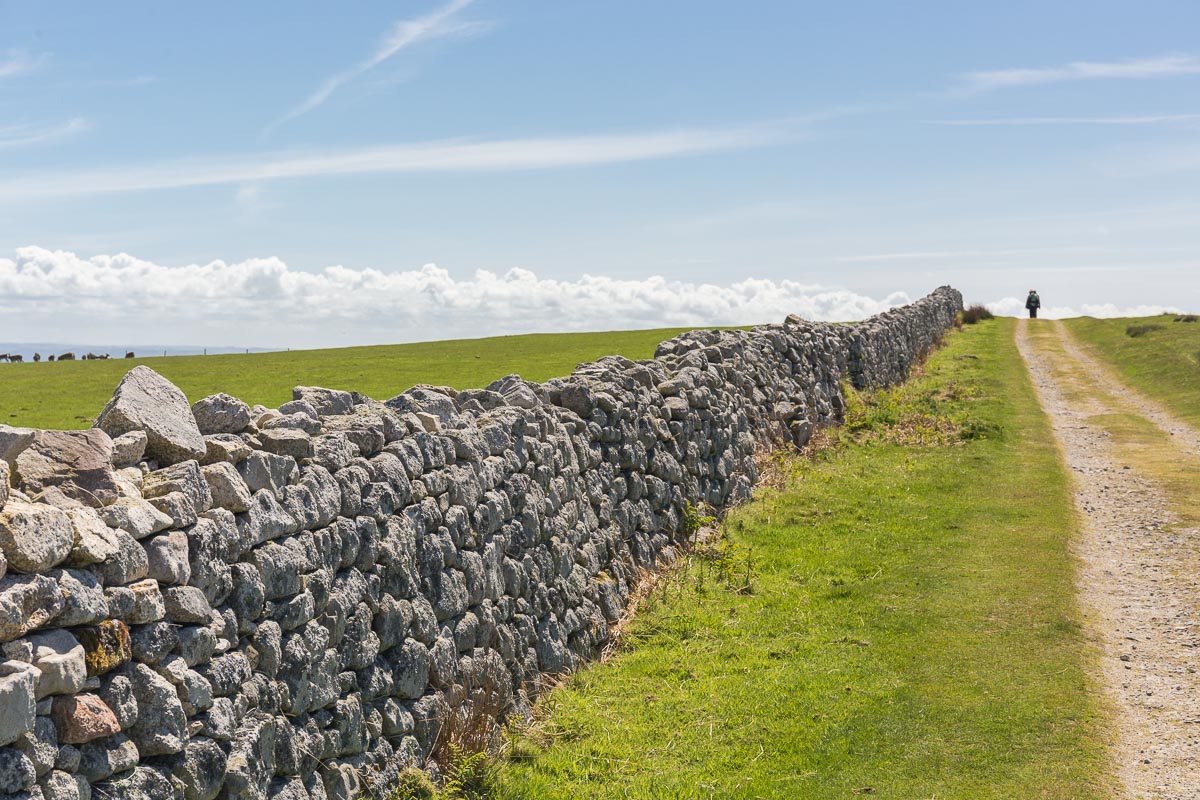
I continued my way north, alternating between walking on top of the cliffs or following some path lower down. The island is full of funny names, an easy way to keep track how far you’ve come are the walls that cross the island: quarter wall, halfway wall, and threequarter wall 🙂
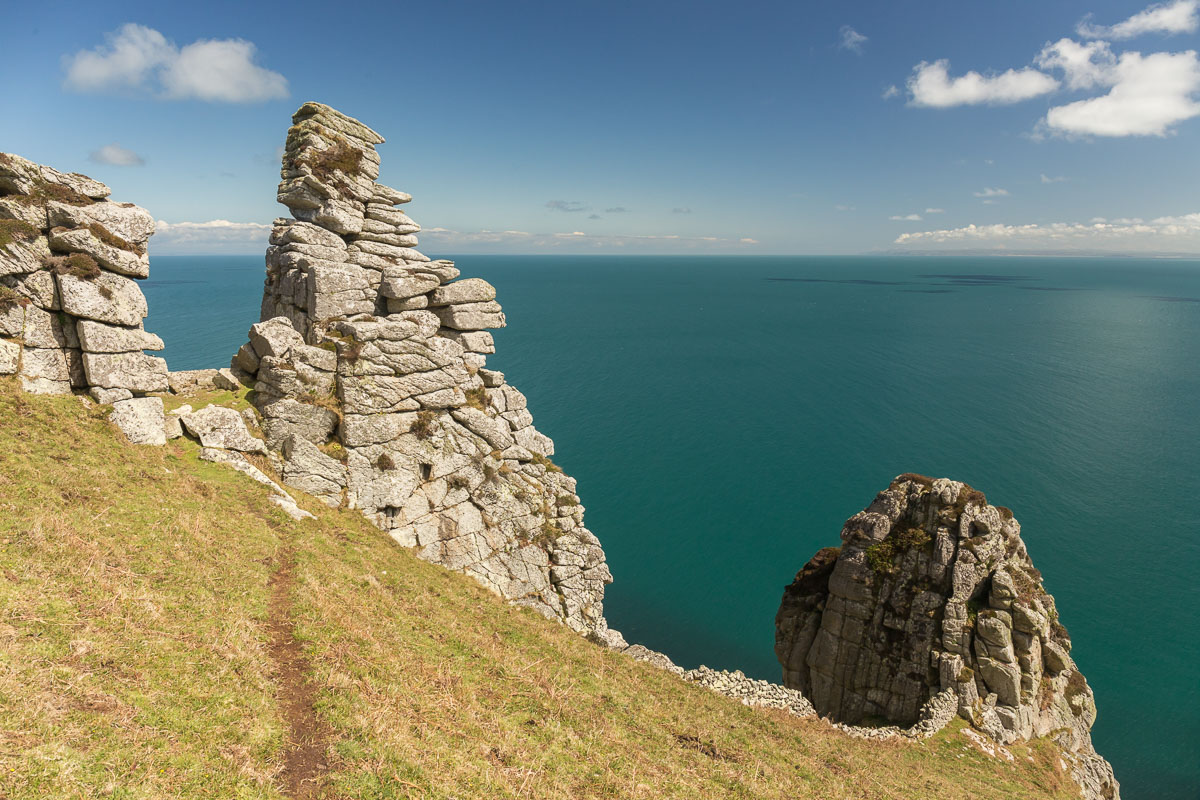
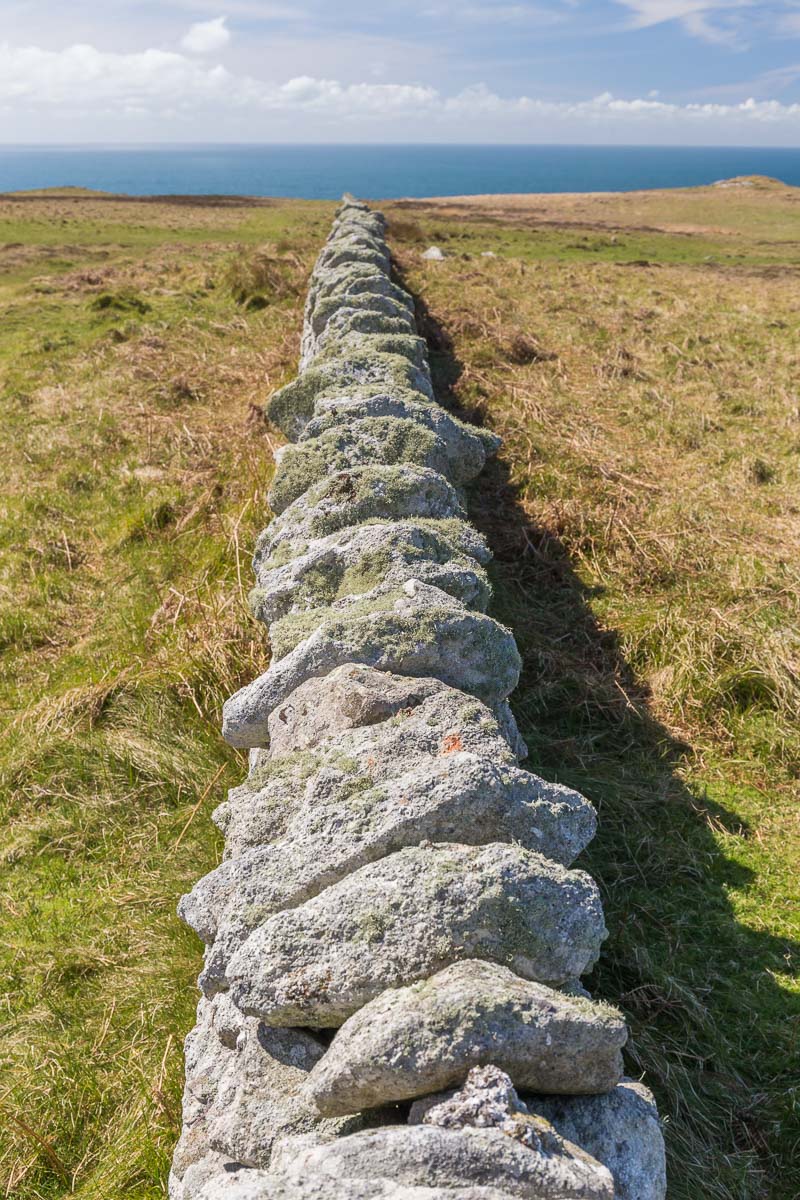
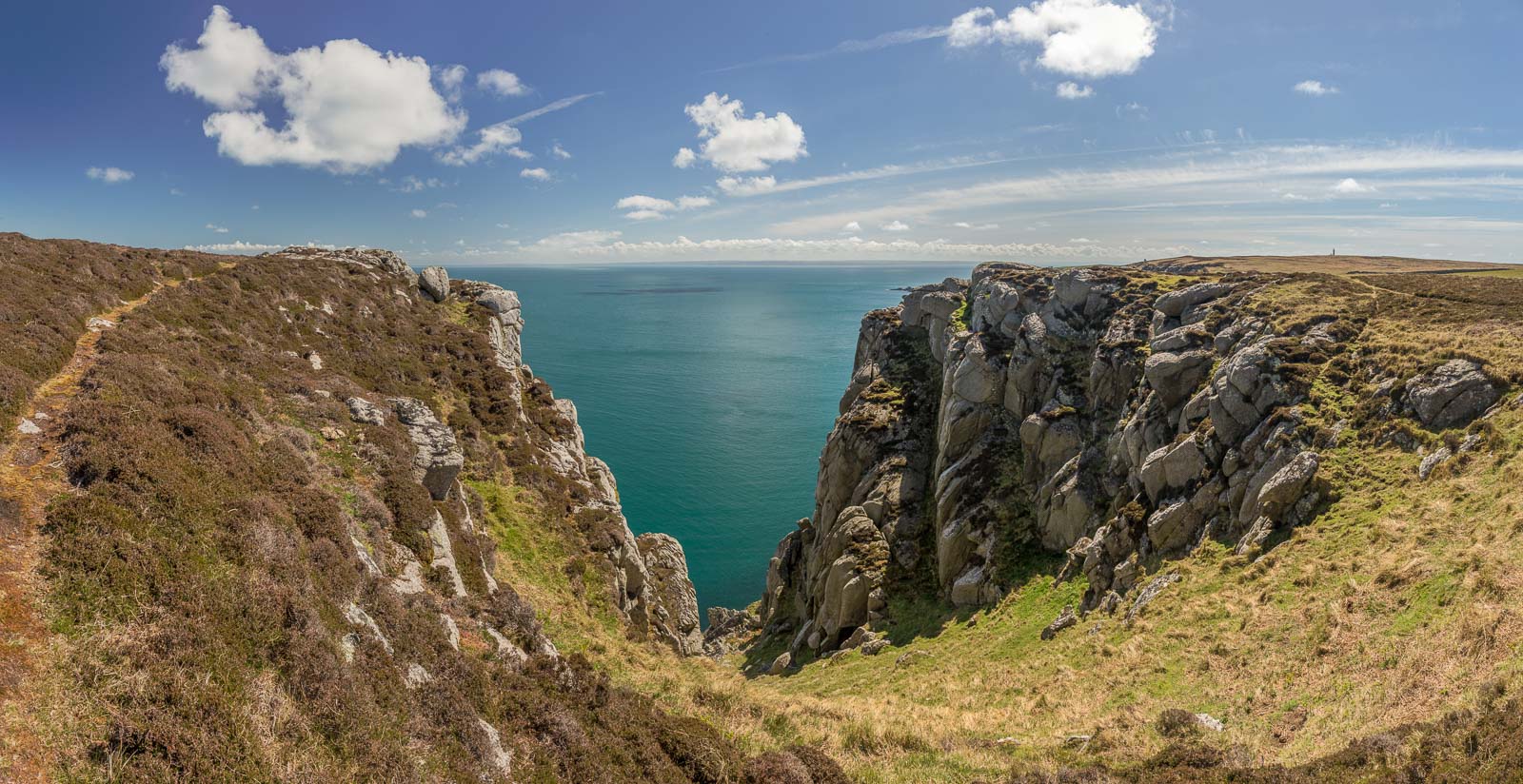
The views were amazing the whole way.
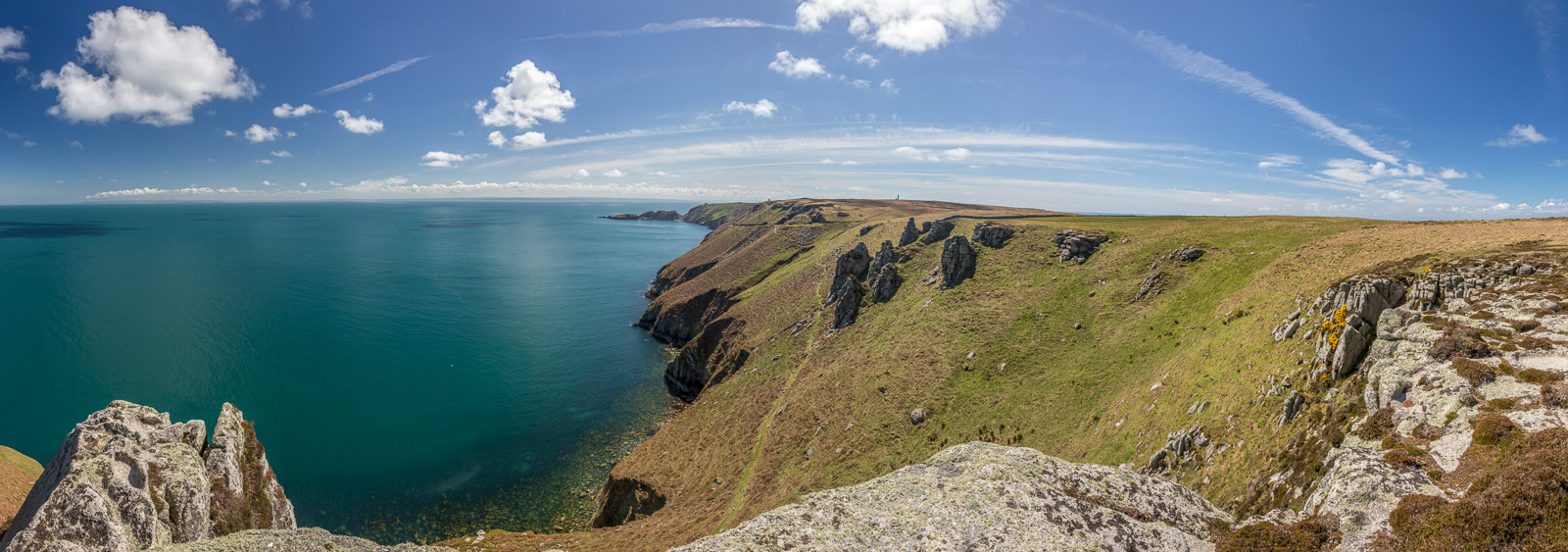
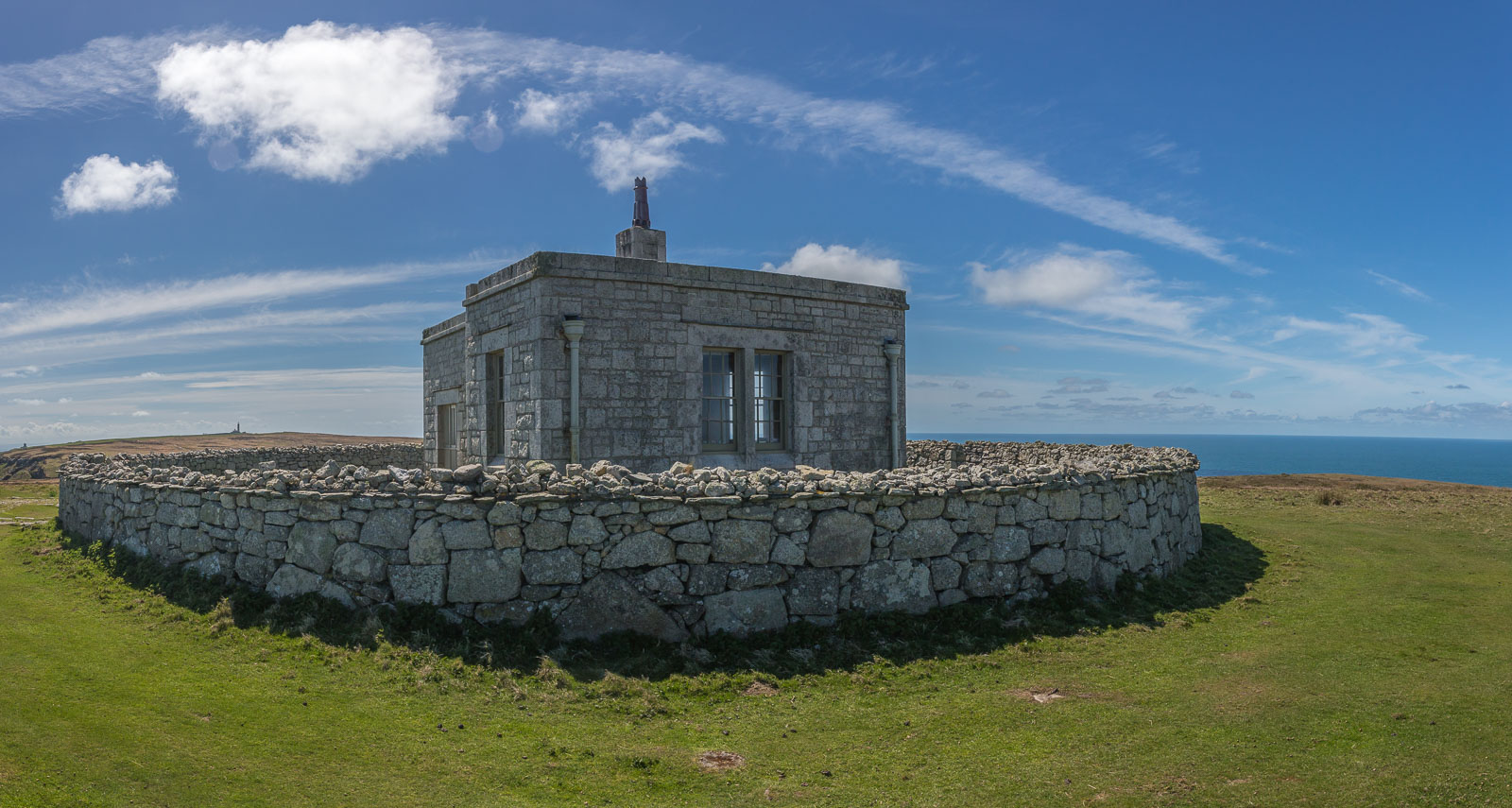
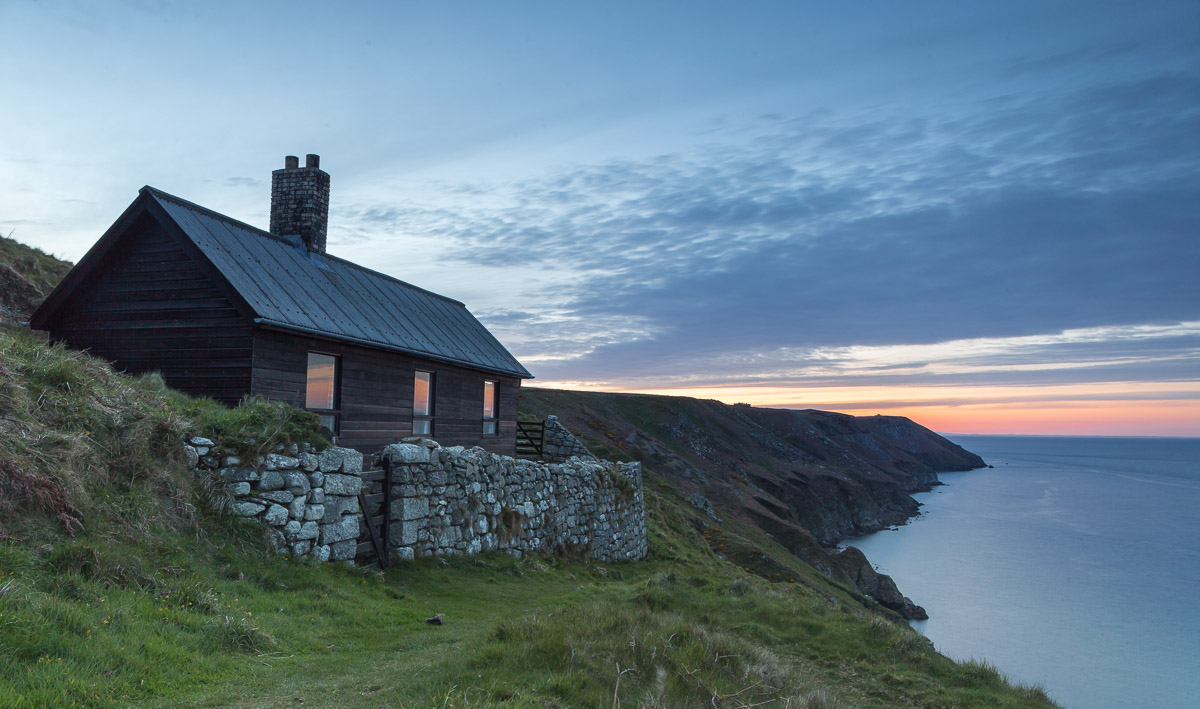
The cottage is in the photo below is called Tibbetts – another holiday rental. It’s built on the highest point of the island, quite far from the village and it doesn’t have electricity, but what a view! It was originally built as a signal and watch station, in use until 1926. Would love to stay there once!
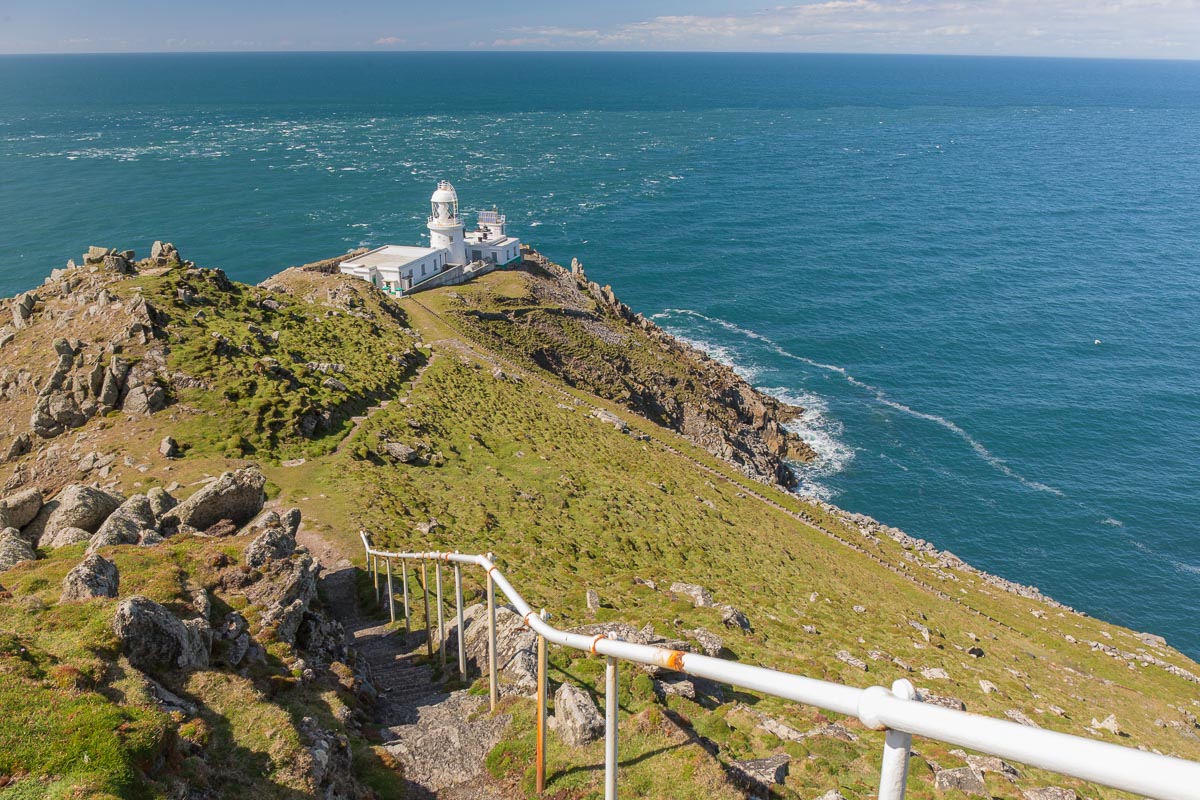
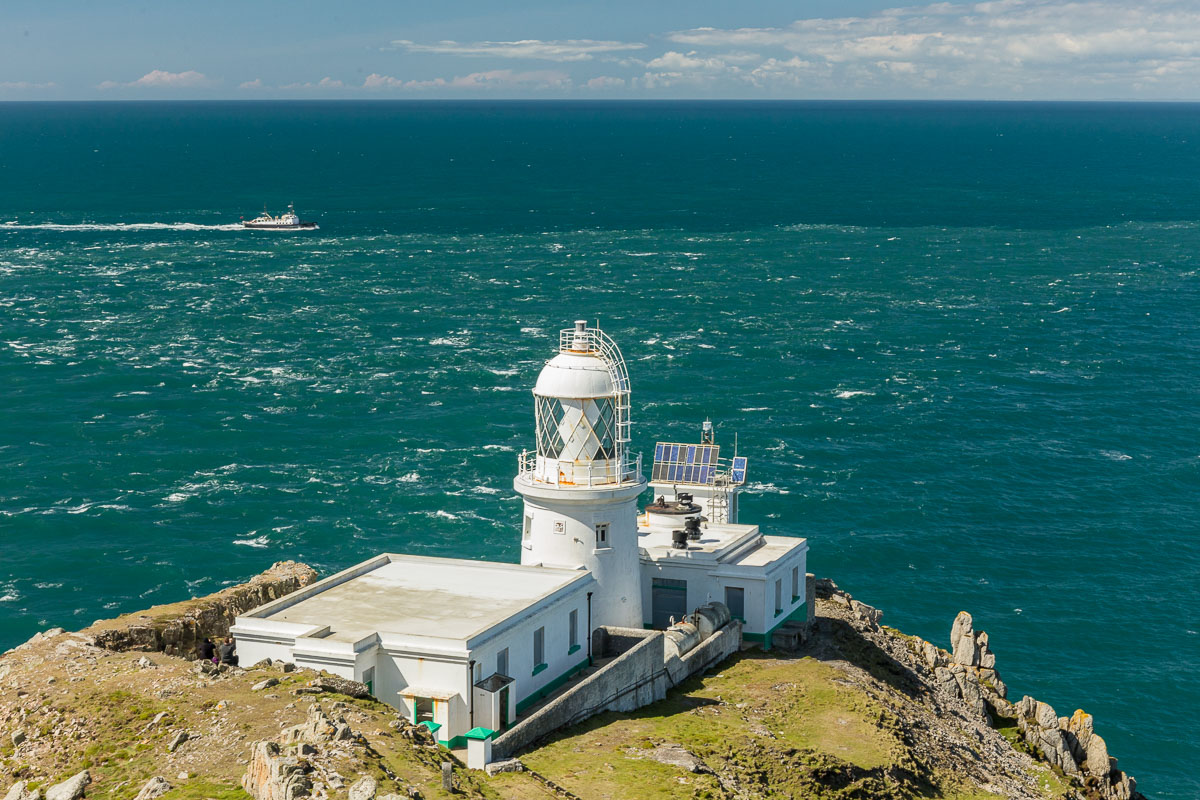
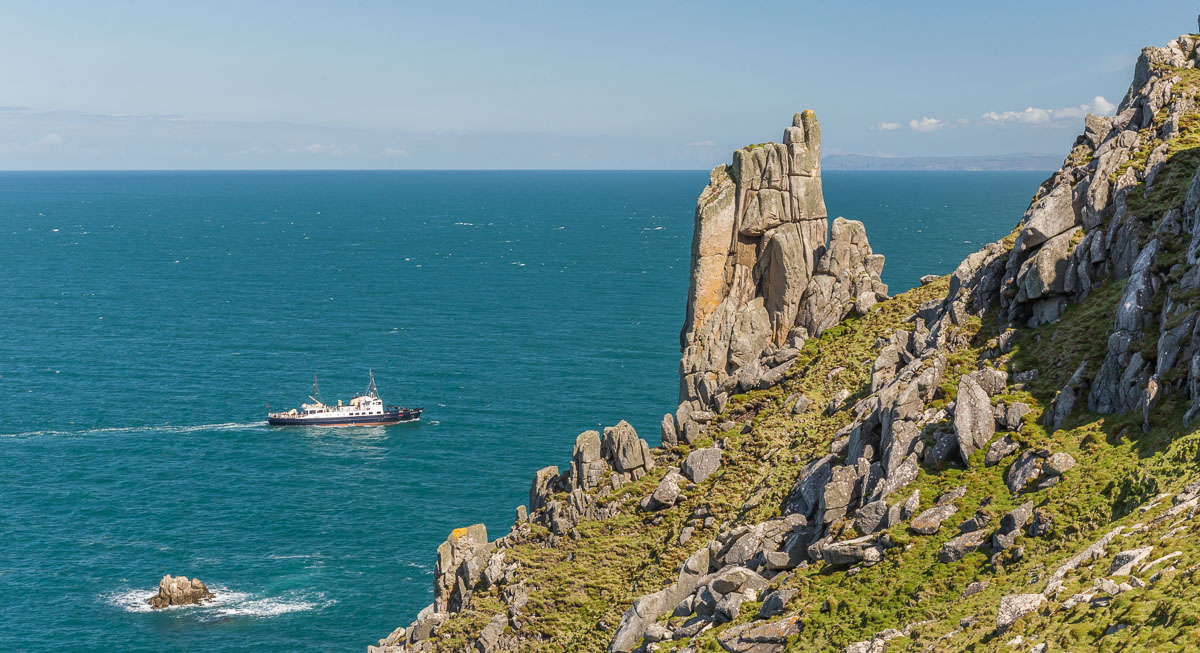
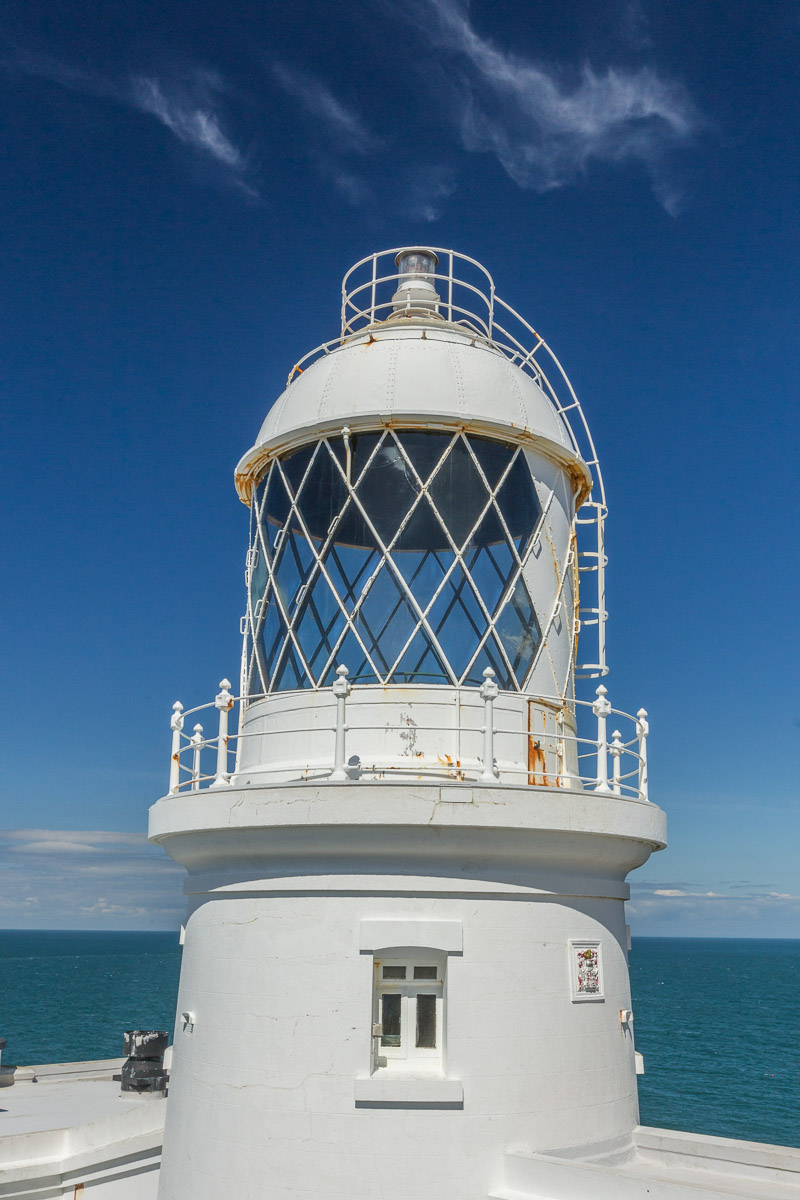
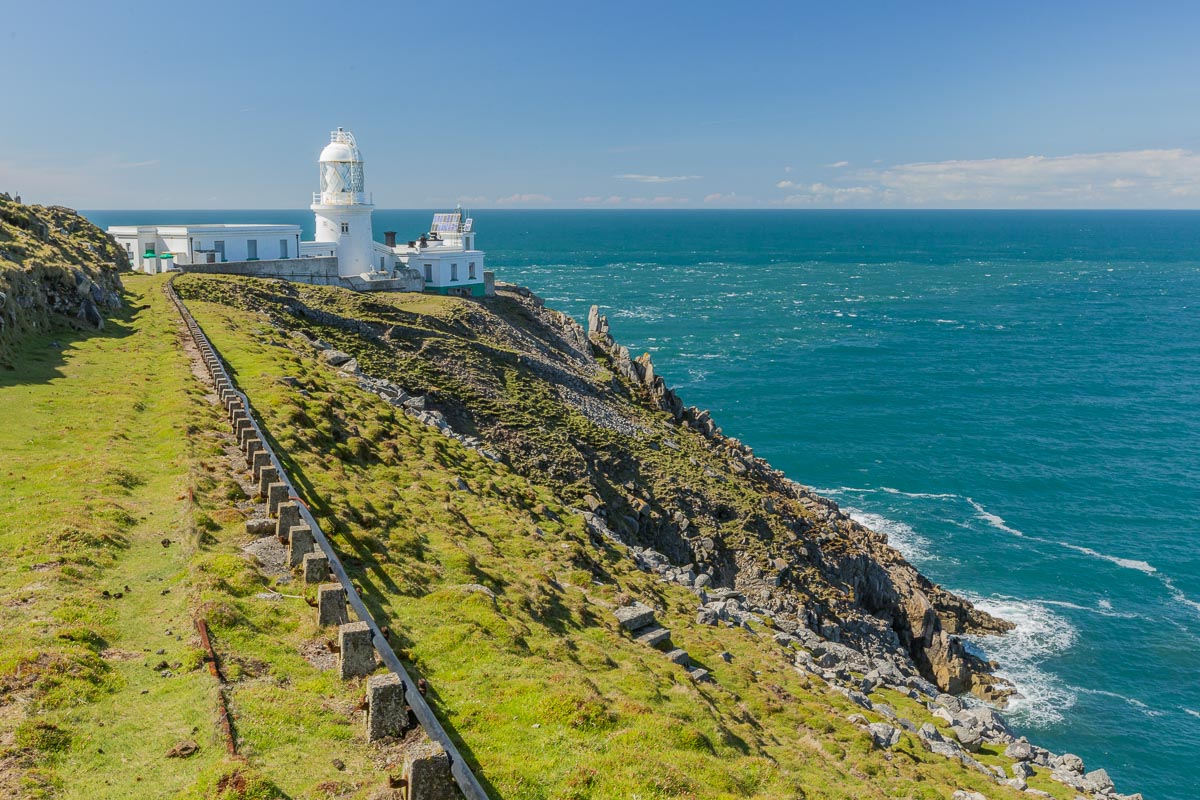
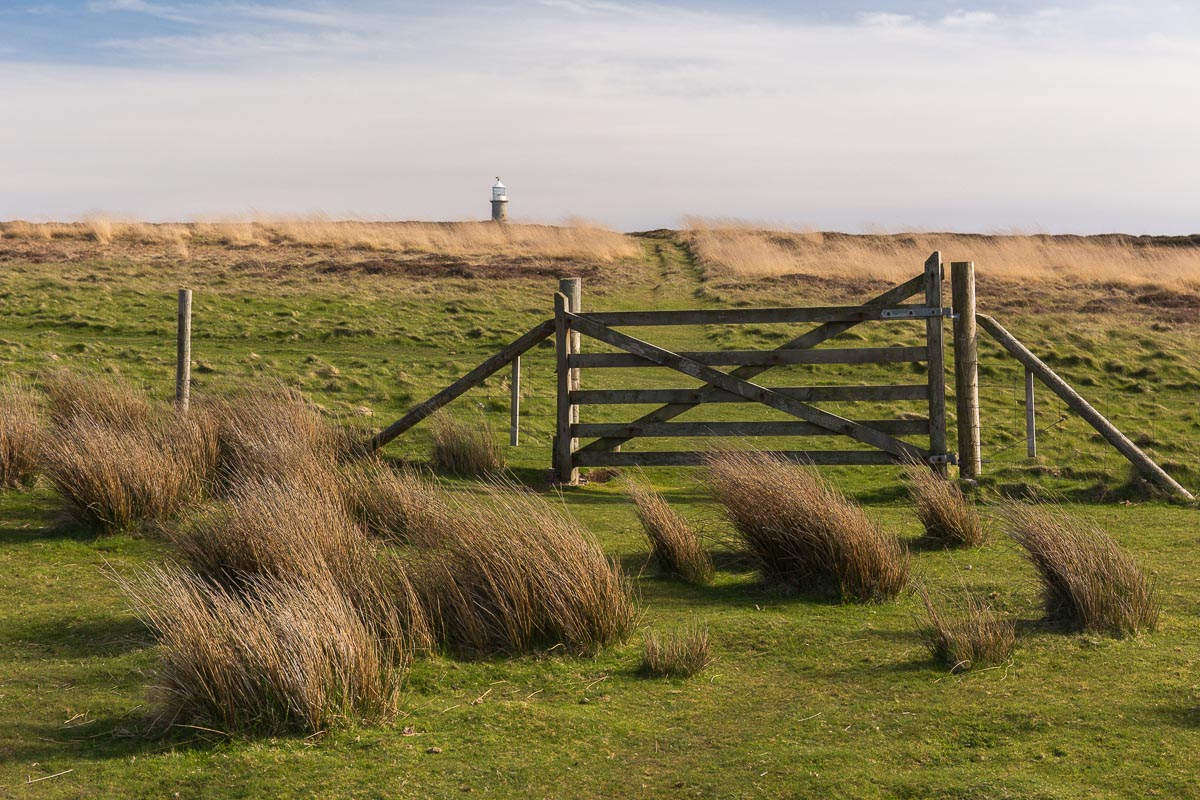
Finally I reached my destionation: the north tip of Lundy Island. There is a lighthouse there, simple called the North Lighthouse (you can guess what the lighthouse at the south tip is called). A beautiful wild place, and I happened to catch the MS Oldenburg passing on its round-the-island trip. The lighthouse was built in 1897, and automated in 1985.
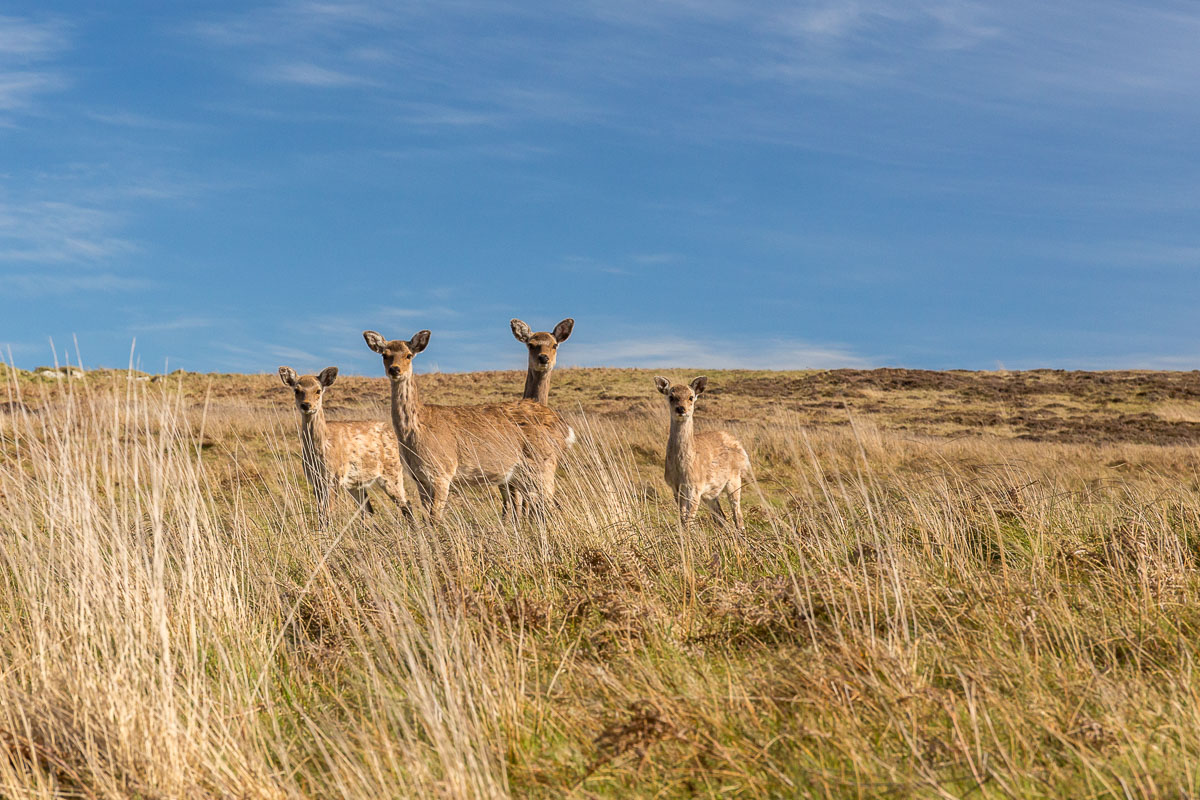
I spent quite some time around the lighthouse, before starting my way south again. I came across these Japanese Sika deer, they are so cute! They are indigenous to South East Asia, and were introduced to Lundy in 1927. They are supposed to be shy and hard to spot, but I saw quite a lot of them. They won’t let you come very close though.
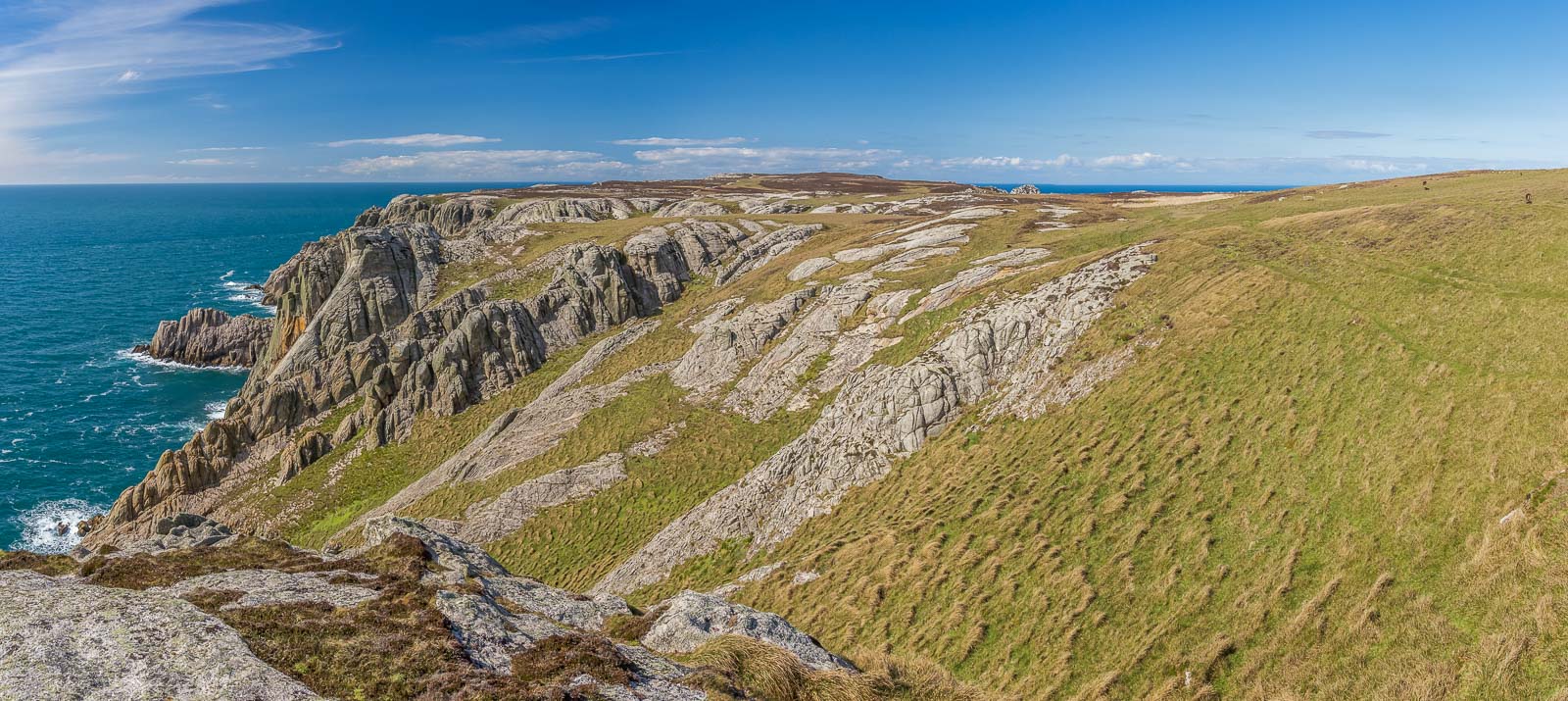
I walked back along the west side of the island, the wilder, Atlantic side, with spectacular cliffs…

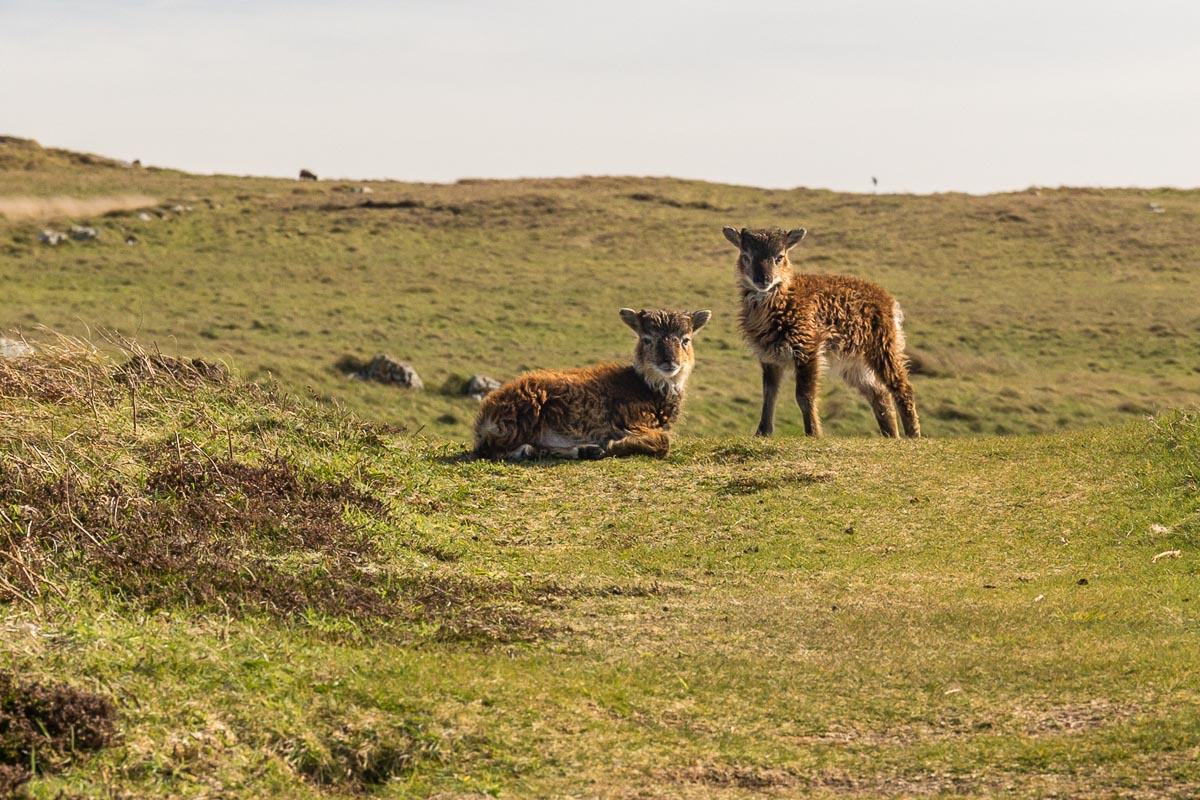
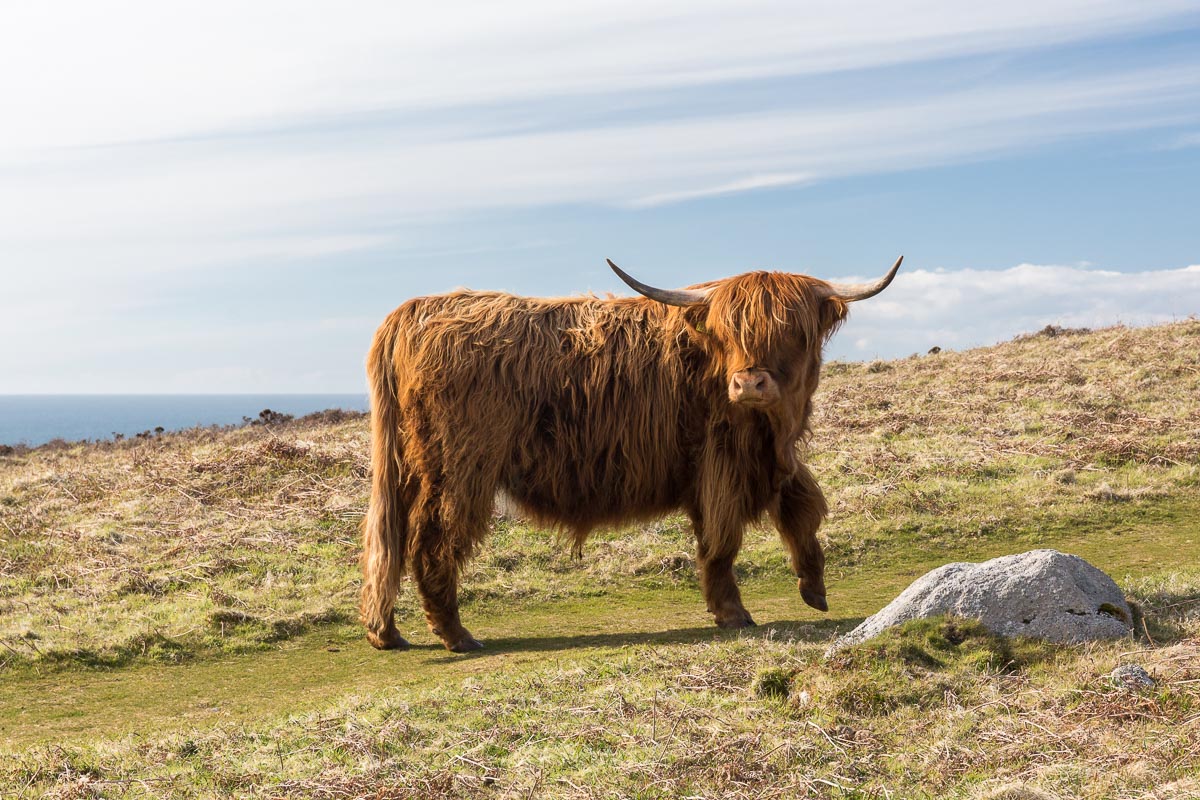
Lundy also has wild sheep, a flock of Soay sheep originally from the Hebridean Islands, introduced to Lundy in 1944. They are adorable! The Highland cow was a lot less adorable, he started stamping at me when I tried to pass…
More pretty views…
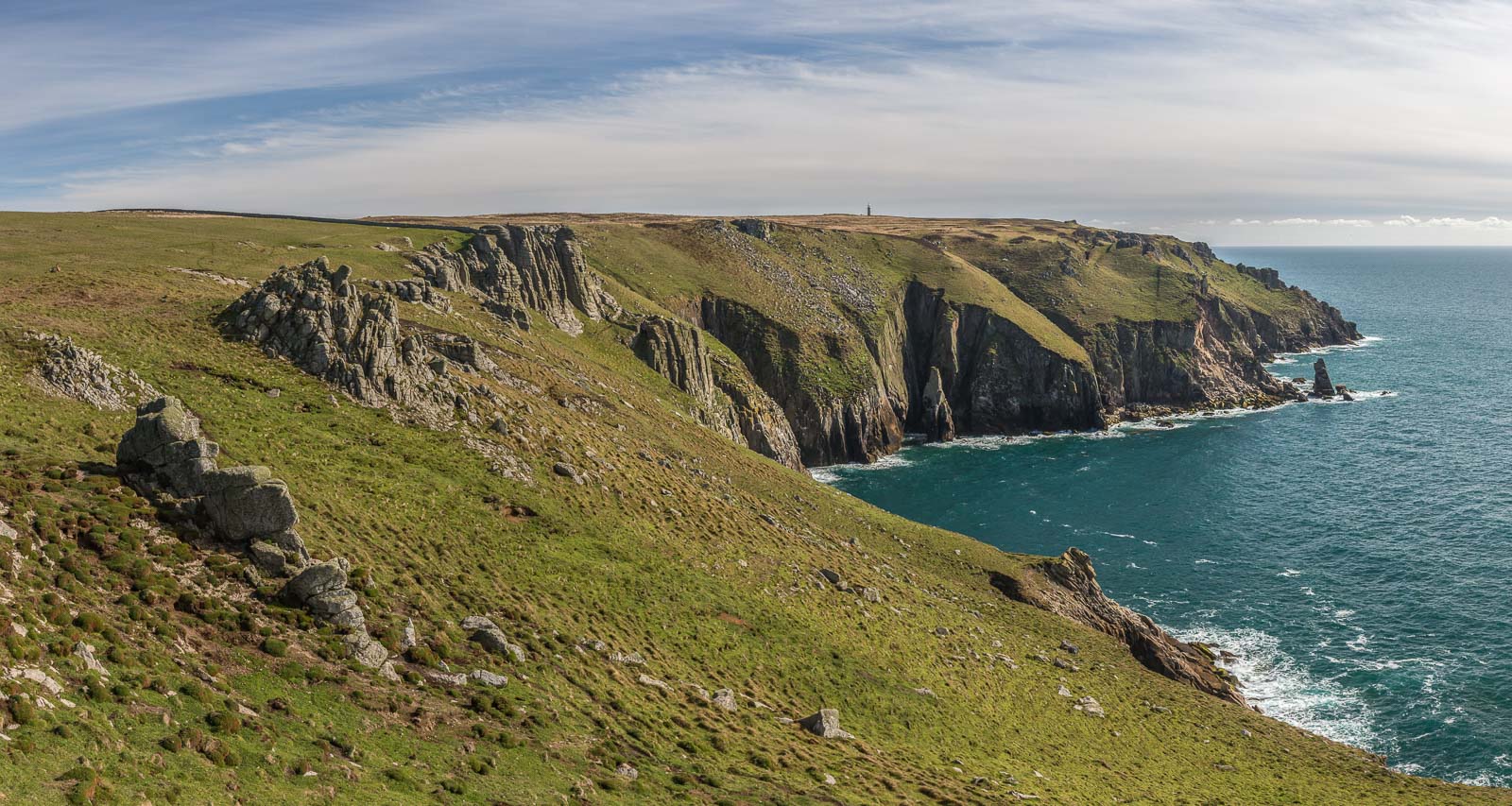
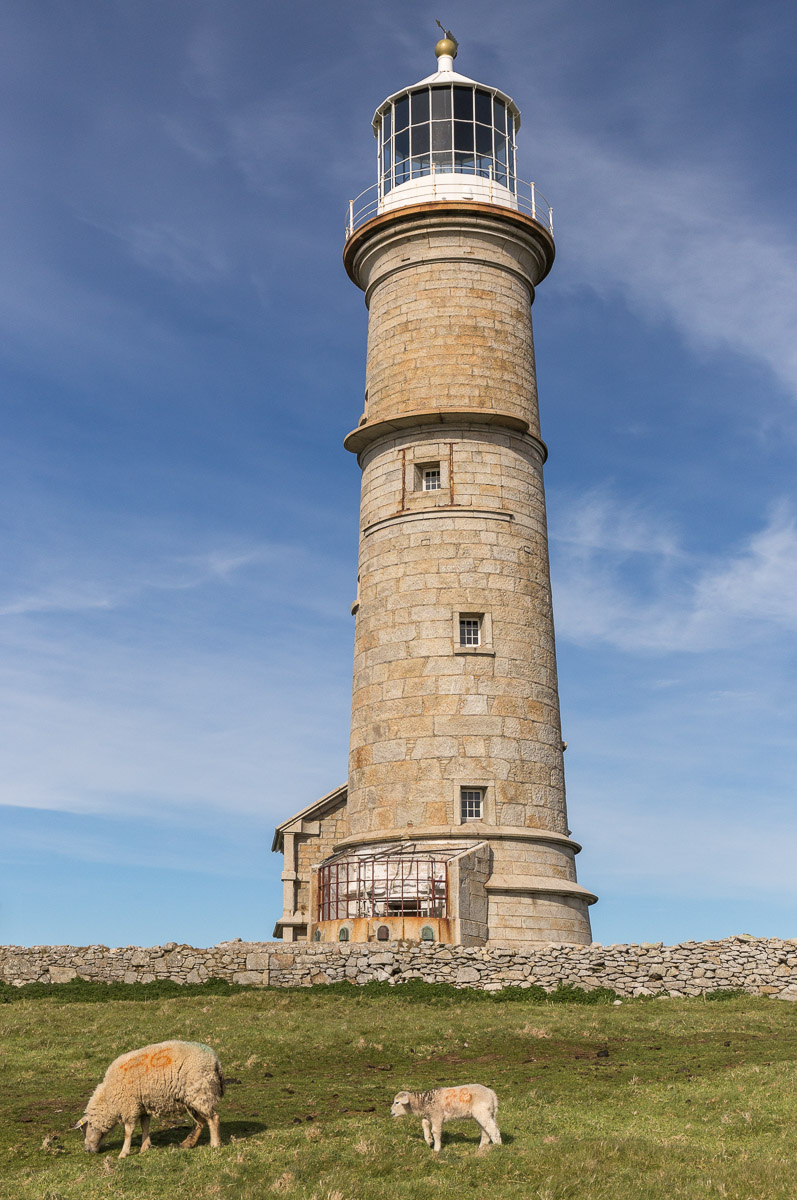
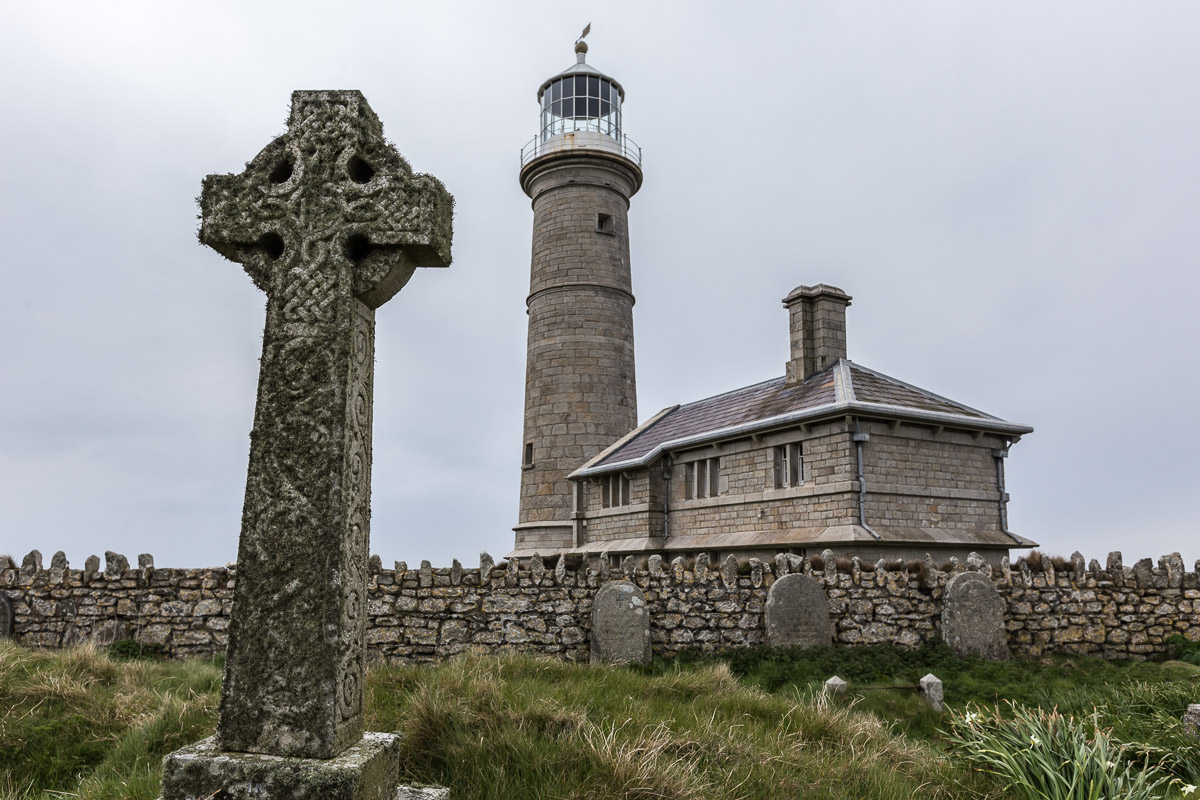
Walking towards The Old Light. Nearly 200 years old, this lighthouse was built for a lot of money but never worked well. It’s modern new flashing light actually caused a ship disaster in 1828, and in foggy conditions the lighthouse was too high up and lost in the fog. Finally it was abandoned in 1897 and replaced by the two lighthouses at the north and south tip.
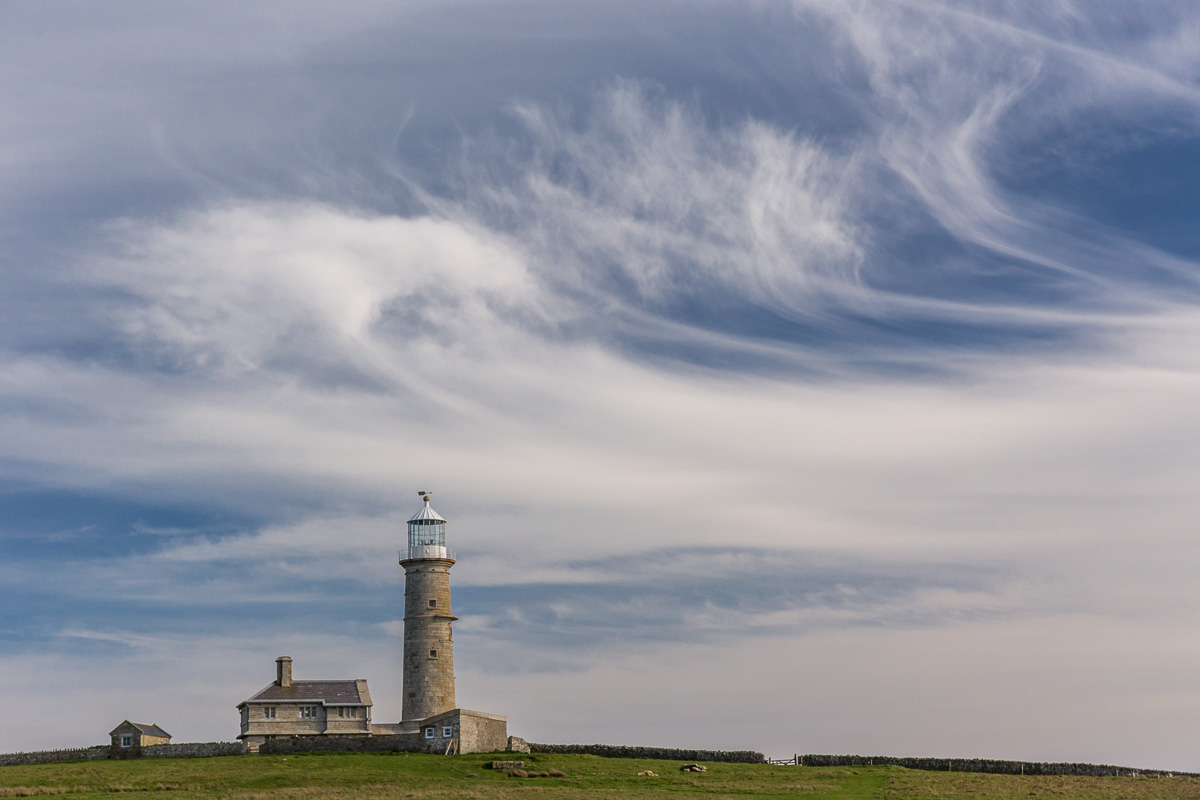
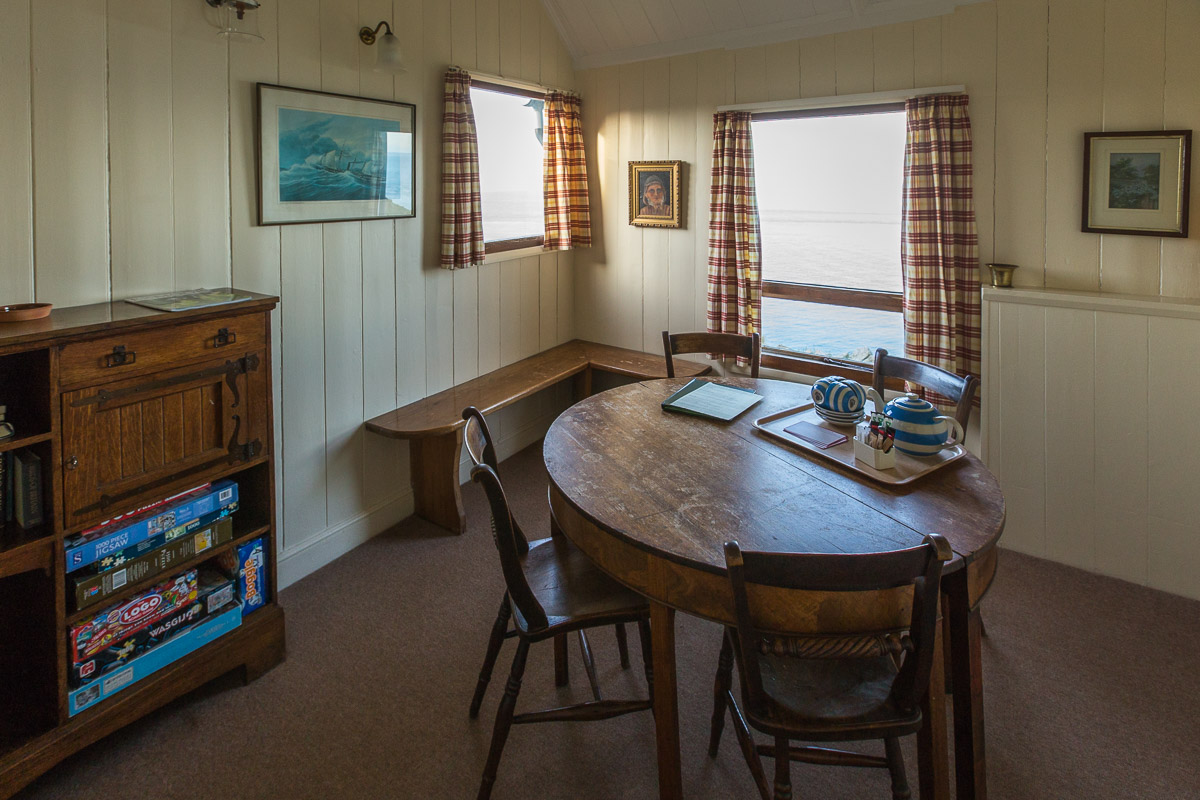
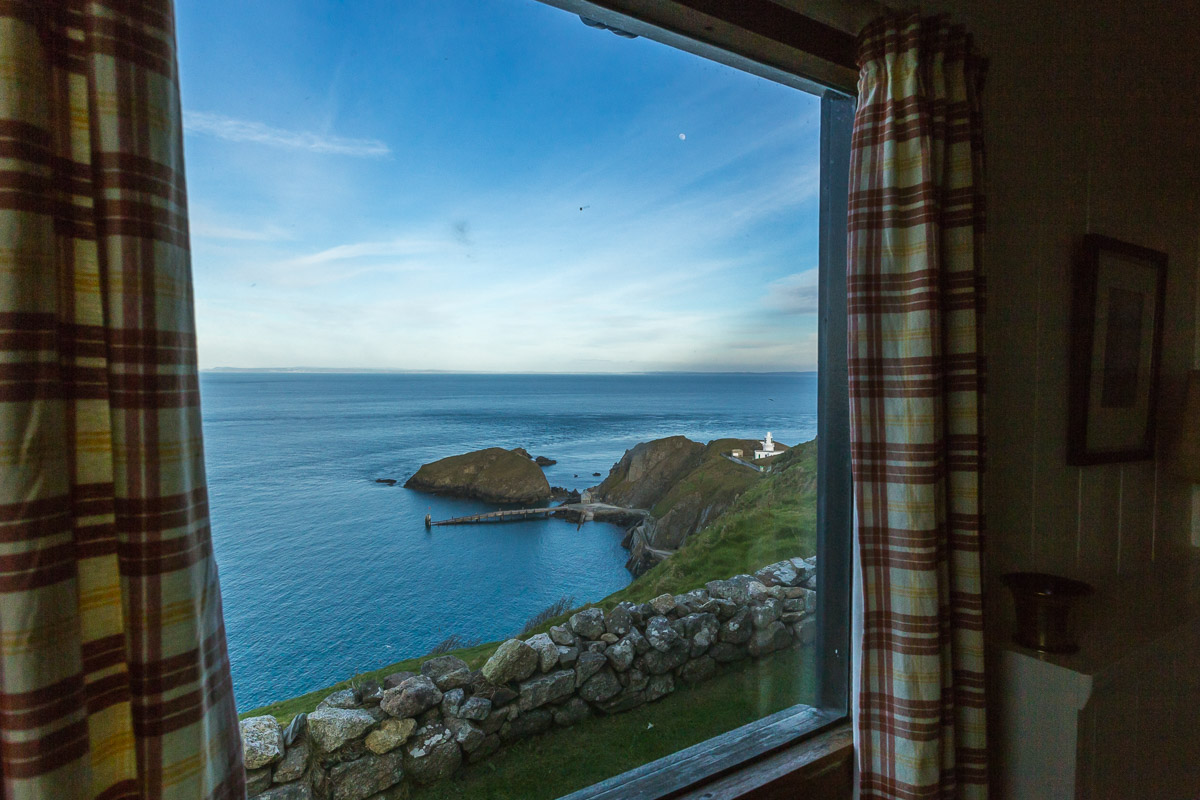
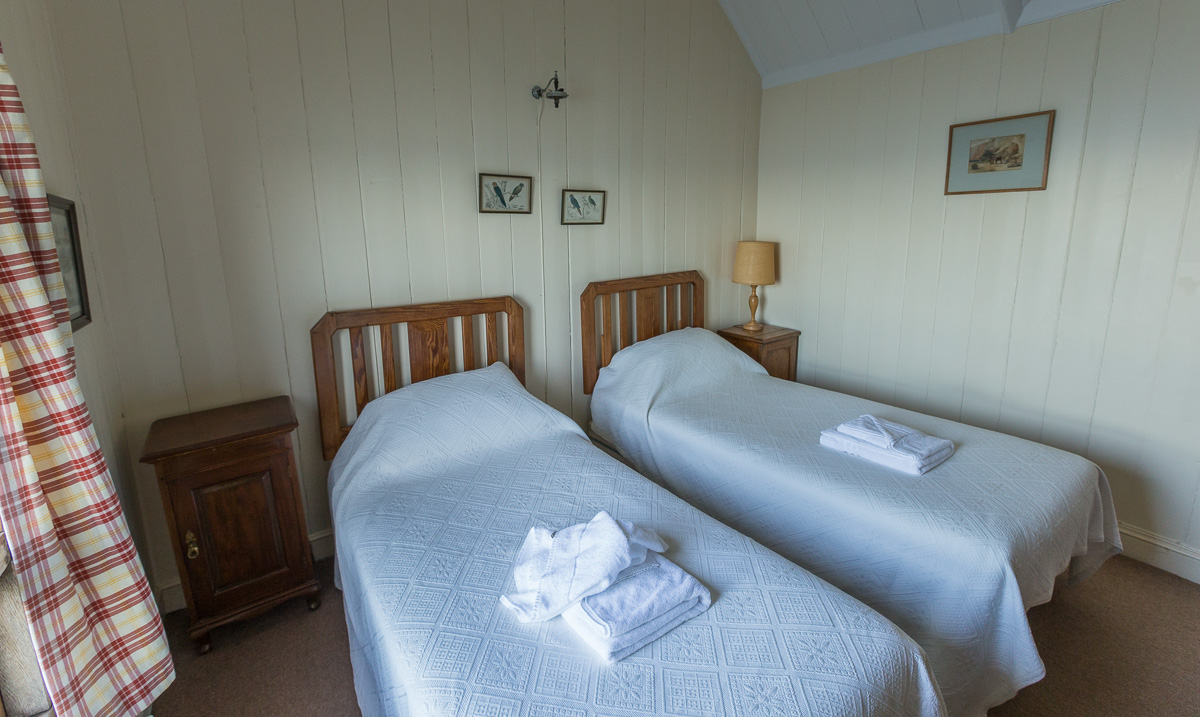
I was now nearing the southern part of the island again – time to finally go and visit my cottage: Hanmers. Hanmers was built by a fisherman on the path from the beach to the castle, and it has the most amazing views! I fell in love with this cottage, perhaps the prettiest place I ever stayed!

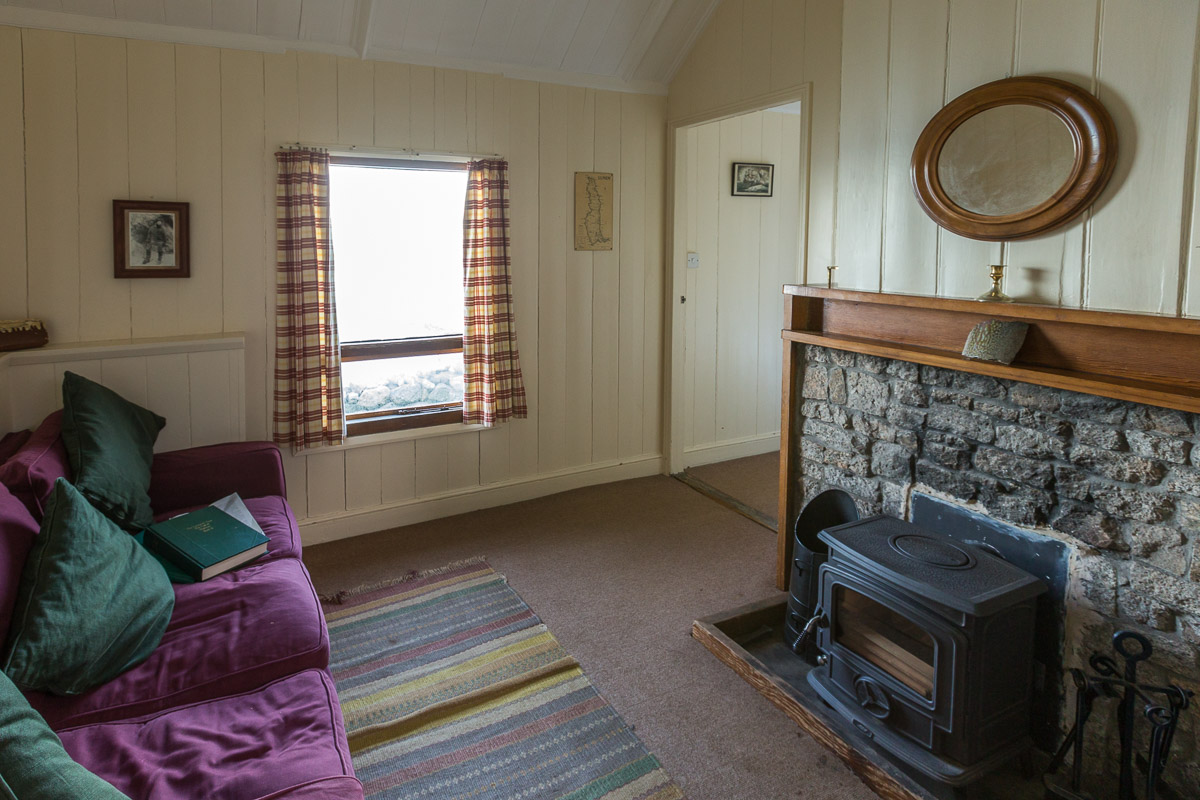
Here’s an impression of the cottage: two living rooms…
The incredible view from the windows…
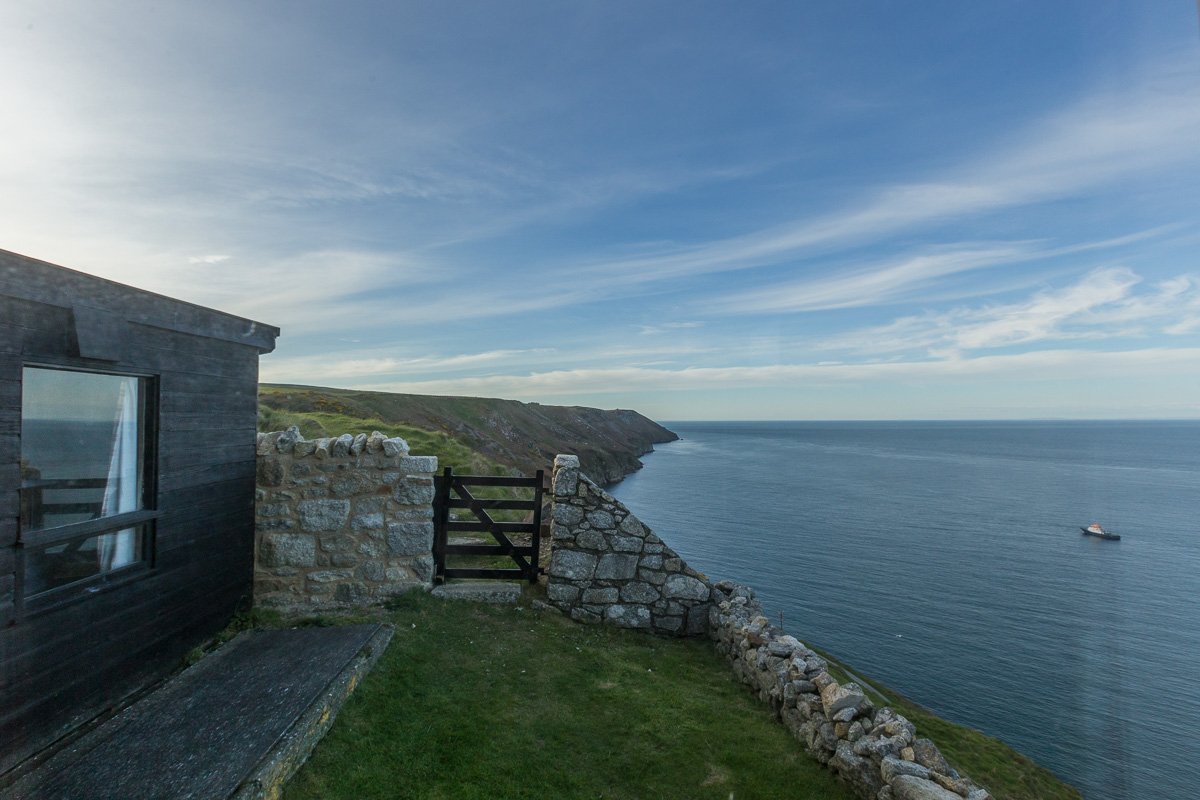
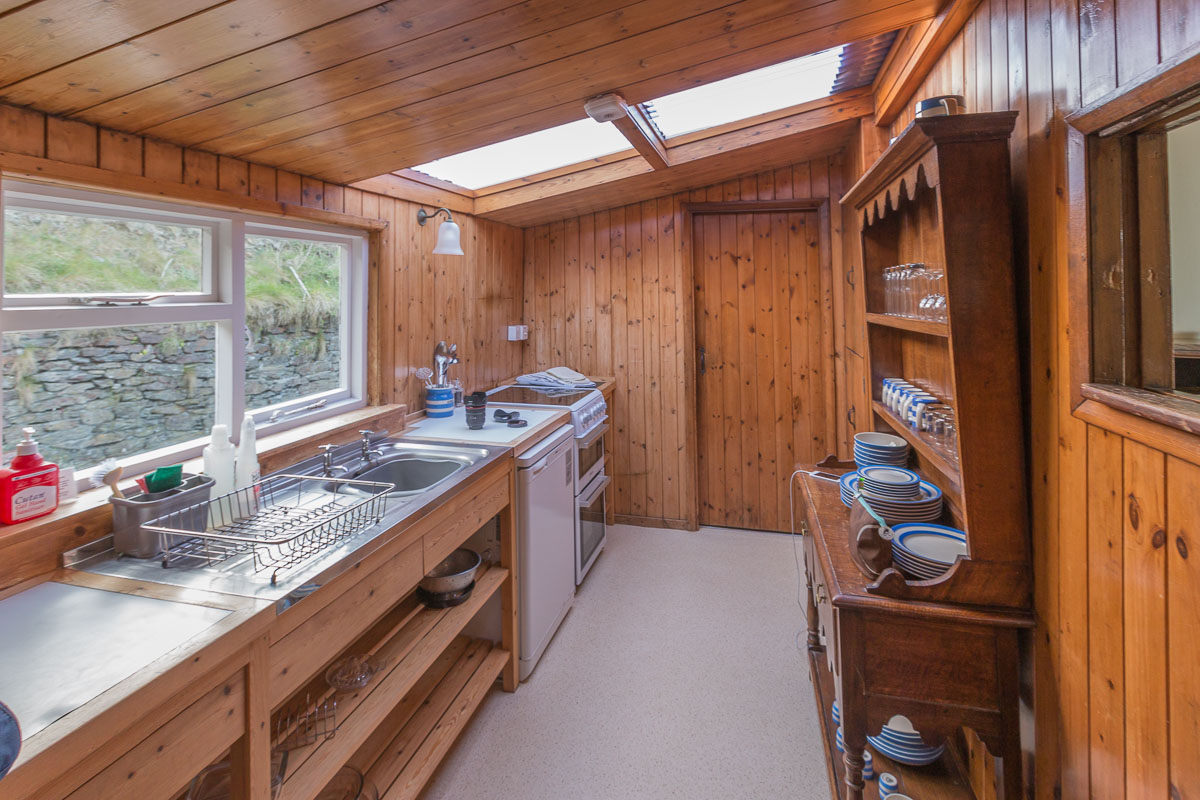
One of the bedrooms (the other has a bunk bed), and the kitchen…
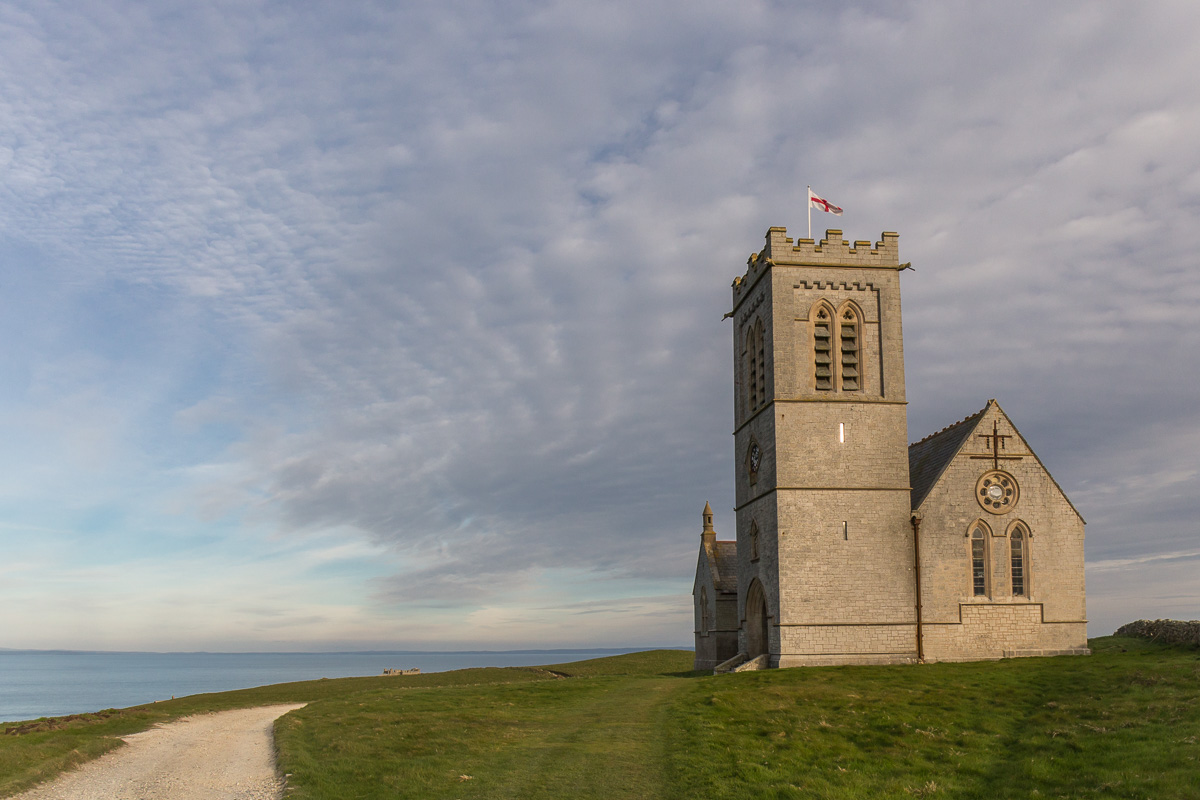
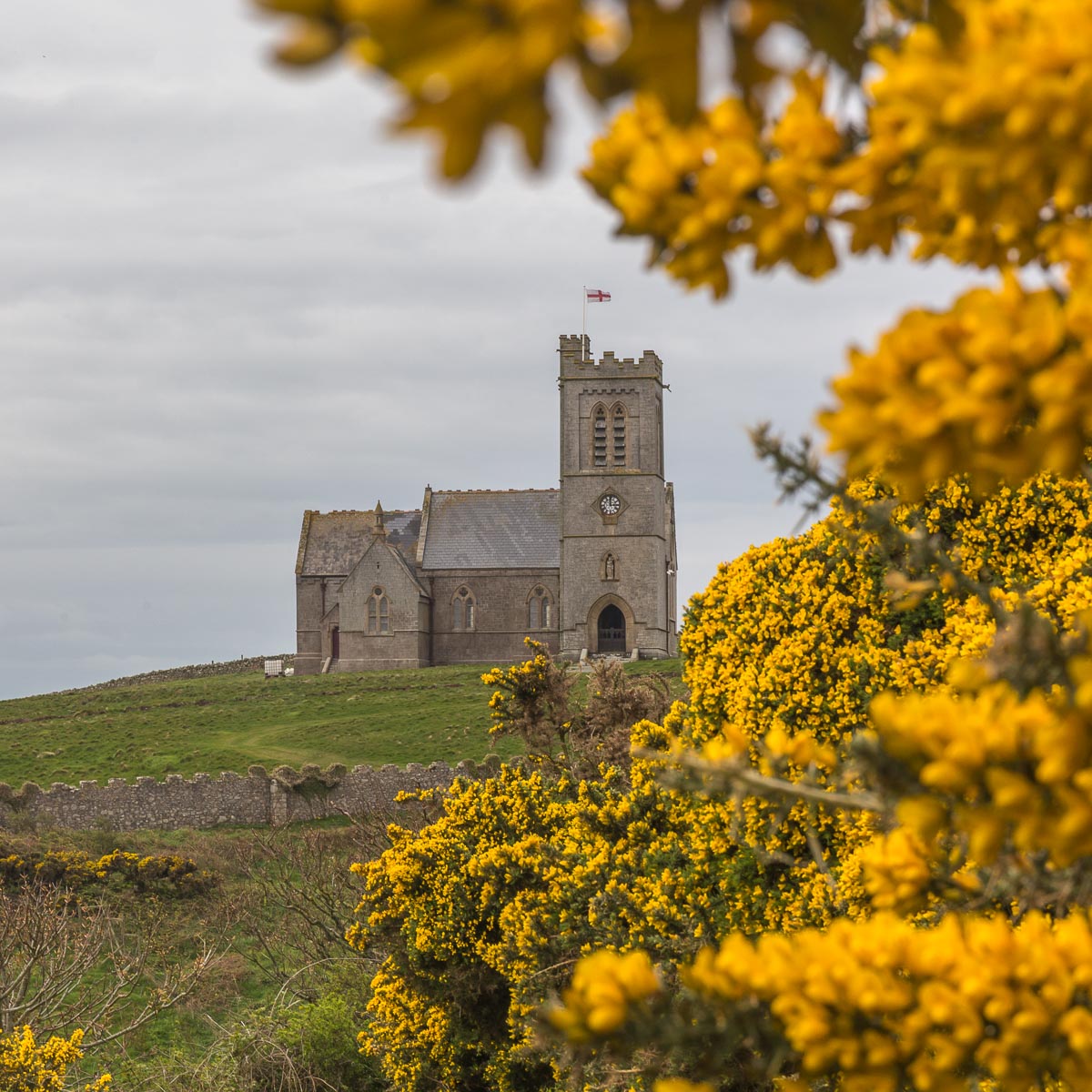
St Helen’s church in the evening, and sunset at Hanmers…
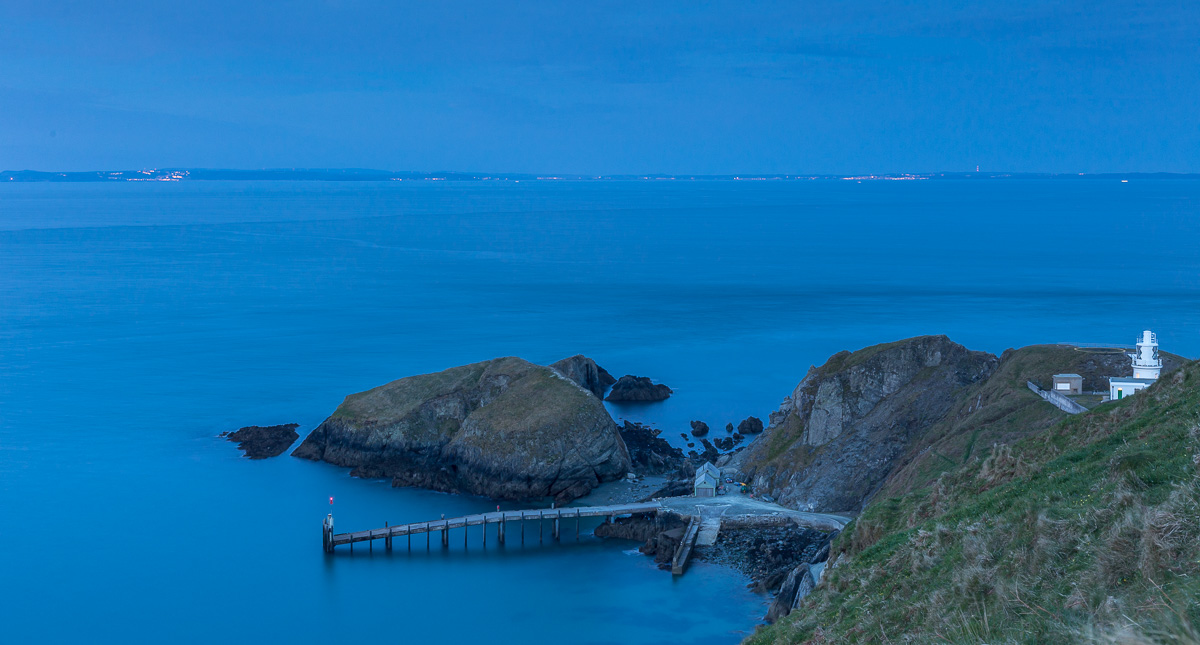
The view to the village in the evening, I love the golden lights 🙂 and the view towards the mainland. In the evening I had dinner in the tavern, a very nice and social place.

It had been a long day and I fell asleep early. After a couple of hours I woke up from a lot of noise: the wind had changed direction and got stronger, and the cottage was creaking like crazy in the wind. There were also other strange noises right behind my bed, which I tried to ignore 😉 The next day I found out those noises had come from a pygmy shrew that happily walked around the cottage, checking out the bins… (it’s a tiny mouse, but don’t say that on Lundy as THEY DON’T HAVE MICE 😛 ).
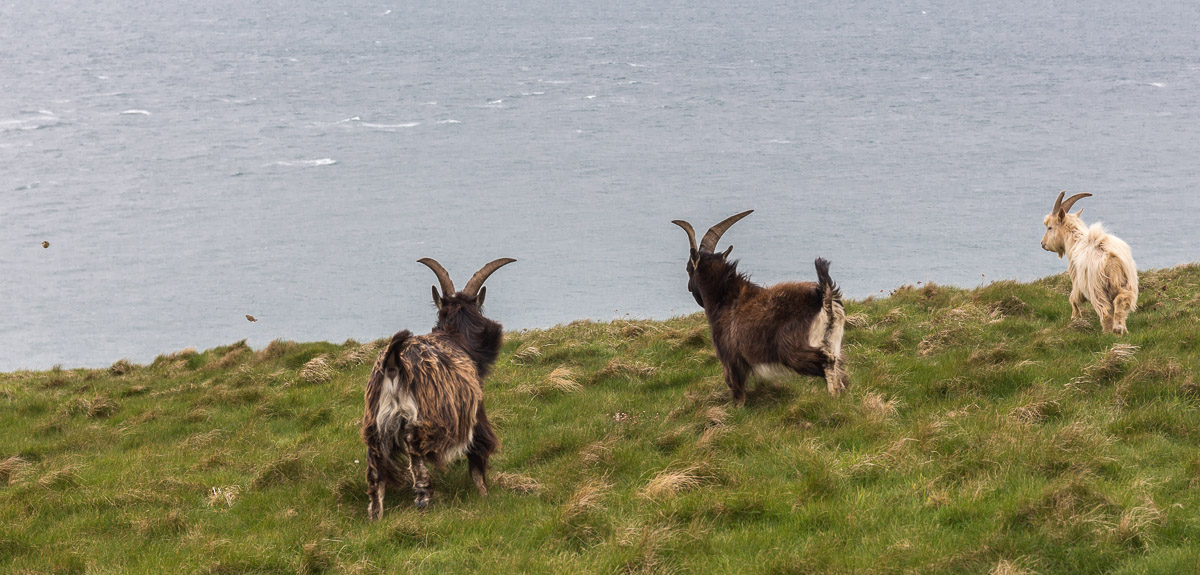
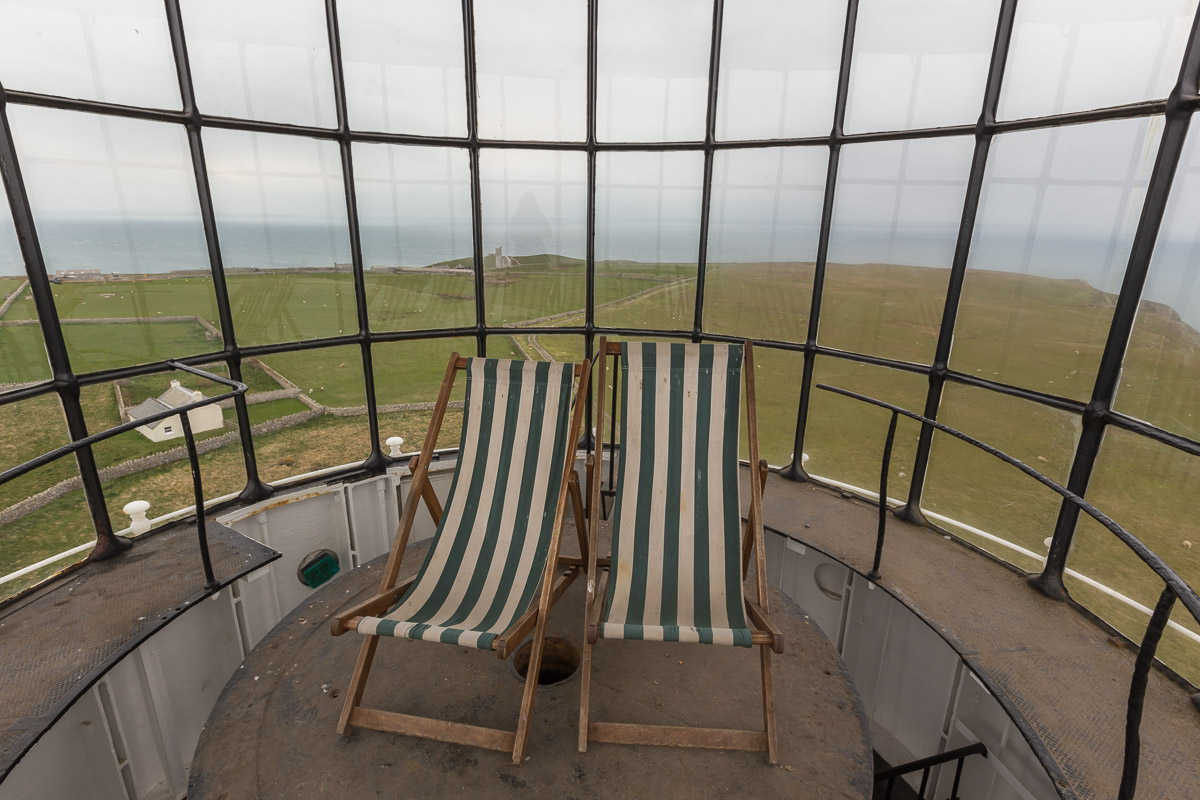
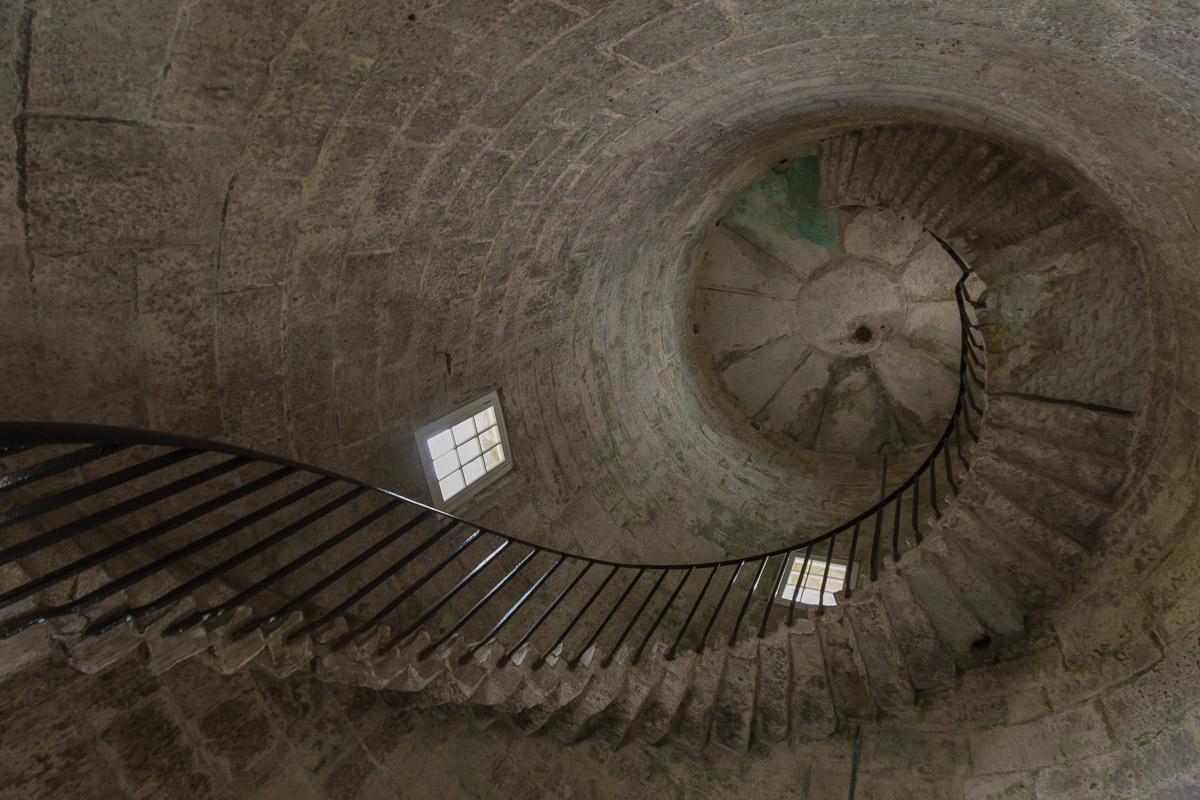
It was a very windy and rainy morning, so after breakfast at the tavern, I just had tea and biscuits and read books and looked at the view 🙂 until the rain stopped and I decided to go for a walk. I met some goats, and climbed to the top of the Old Light (which is always open) and sat in the deck chairs with an amazing view 🙂
After that I visited the Battery, which I had skipped the day before. It’s another chapter in the ‘we need a lighthouse’ story. With the Old Light being problematic, they installed two cannons at the bottom of the cliff which they fired every 10 minutes (blank shots, which I assume means there’s no cannonball in there?? 😛 ) This was also abandoned when the North & South Lighthouses were built. I also visited the sculpture by Antony Gormley (famous from the Angel of the North) that was erected the day before. There was a group of people on the ferry with someone filming – I realised later it was Antony Gormley and his wife and I assume two journalists. One of them wrote this beautiful article about their visit and about his work.
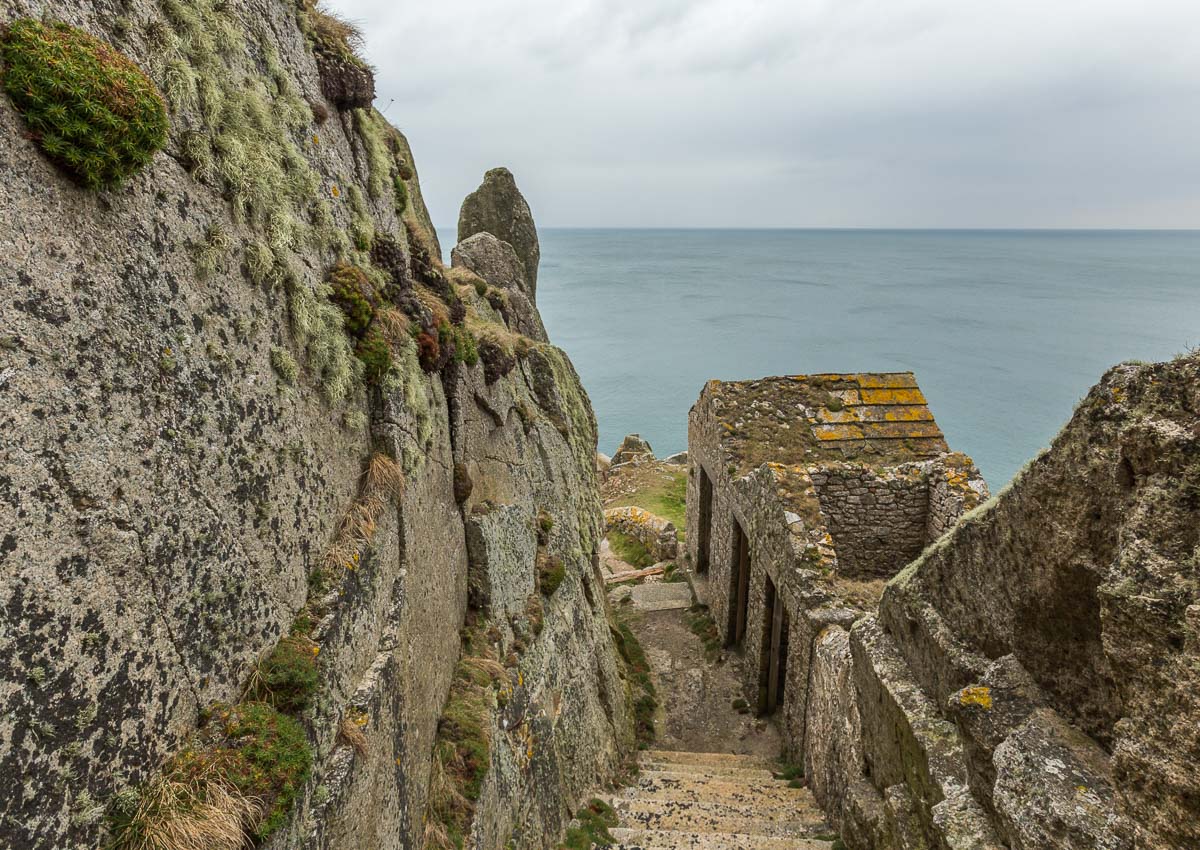
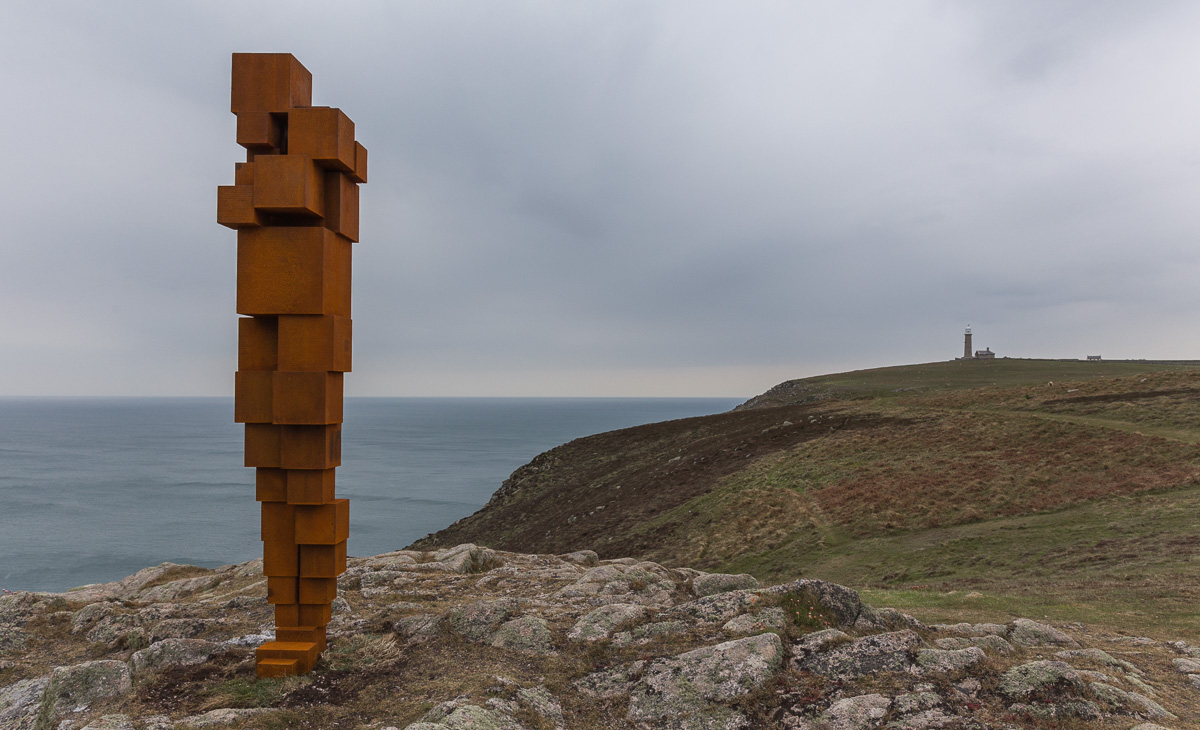
Just below the sculpture is the Devil’s Limekiln, a natural pit more than a 100 m deep. ‘Approach with care’ is all it says in the brochure – there seems to be a path around the edge. I took one look at that and decided against it – especially being on my own 😉

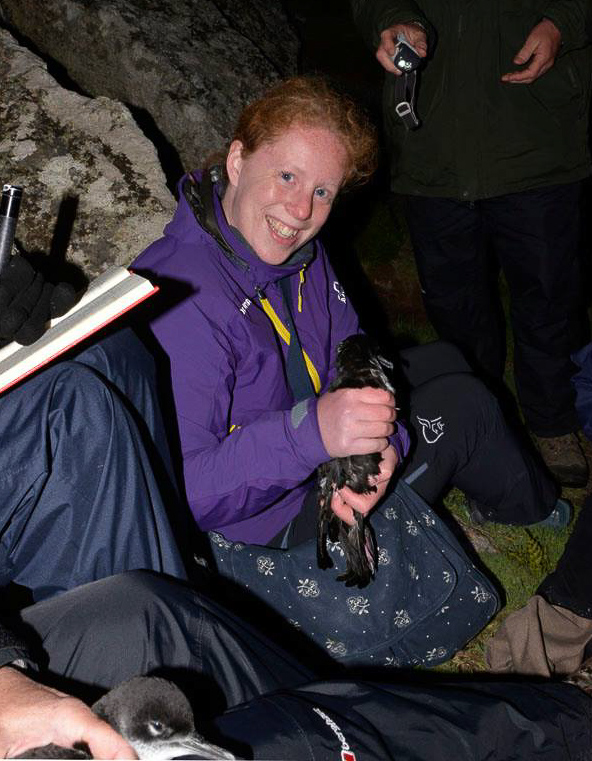
That evening in the tavern was even more social as two women joined me – always very nice when you’re travelling alone! And later on I started talking to a man who was there to ring birds, and ended up being invited to join them to the bottom of a cliff to wait for Manx Shearwaters to fly into a net. It was such an amazing experience, it just shows that sometimes it’s totally fine to follow some strangers down a cliff in the dark 😉 They caught a couple, ringed them, and I got to release one of them 🙂 Andrew Cleave was kind enough to send me this photo, you can see from my grin how much I’m enjoying it!
Walking back it was nearing midnight, and that’s when they turn off the electricity. It made me smile when all they could think off was getting to their cottage in time to put the kettle on for ‘one last cuppa’ – oh so British! 😀
The next day the MS Oldenburg was supposed to leave late in the afternoon, but we were told to come to the pub at 09:30 for ‘an announcement’. I was hoping we’d go back by helicopter, that’s an often used alternative when the weather is bad. But no, they decided to cancel the daytrippers and send the MS Oldenburg back as soon as it got there. So after breakfast I just went for a short walk around the village to take some last photos. This is the shop…
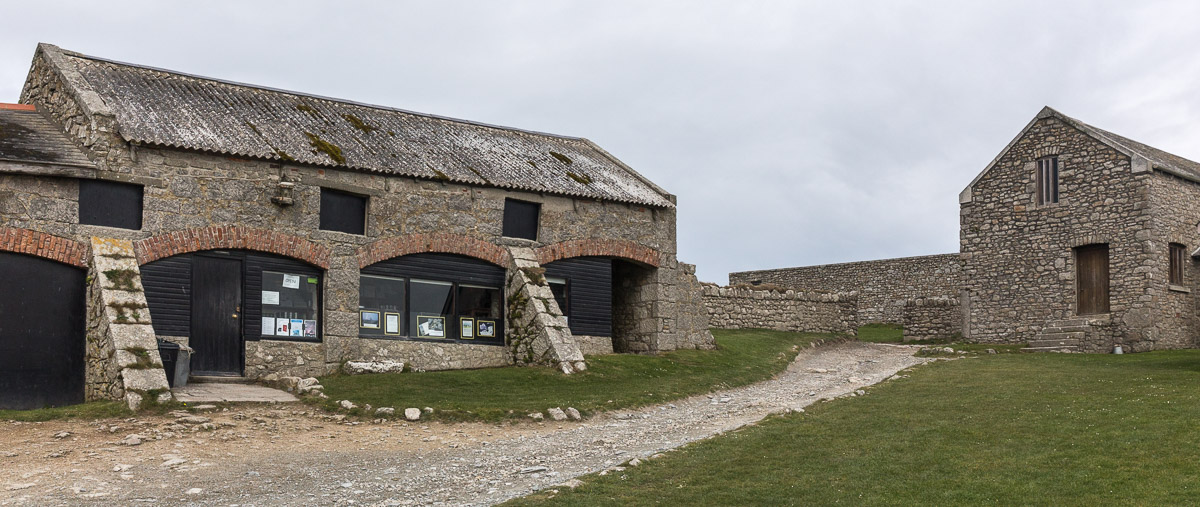
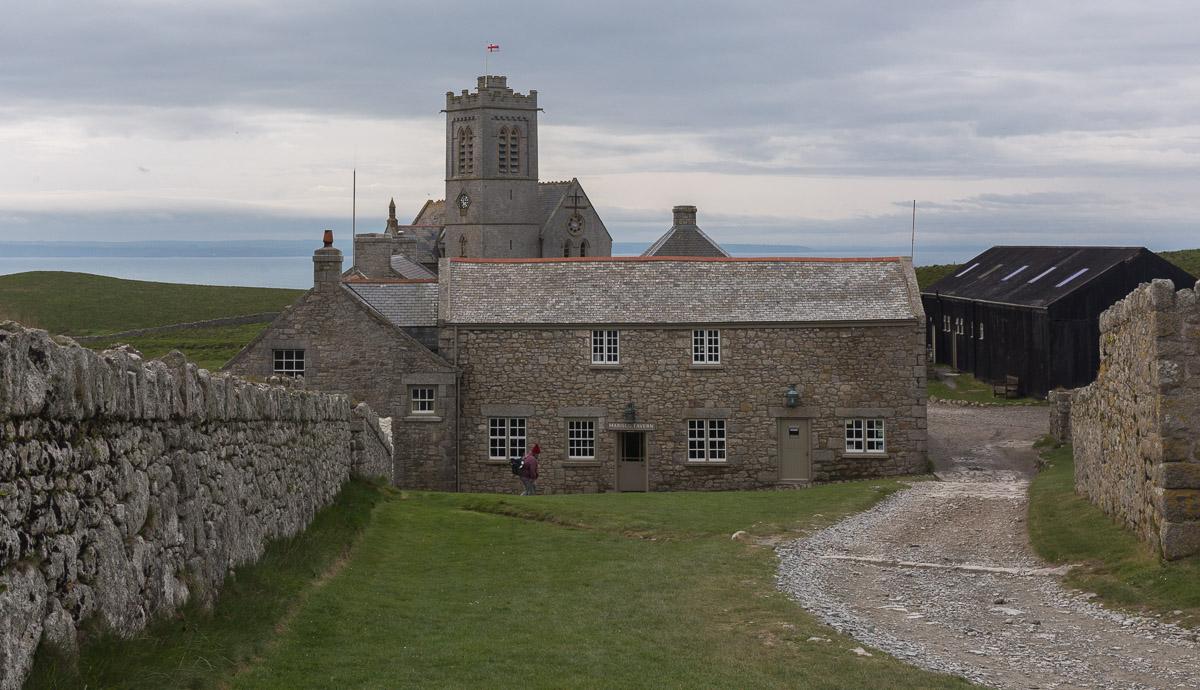
The tavern, and another cottage in front of the church.

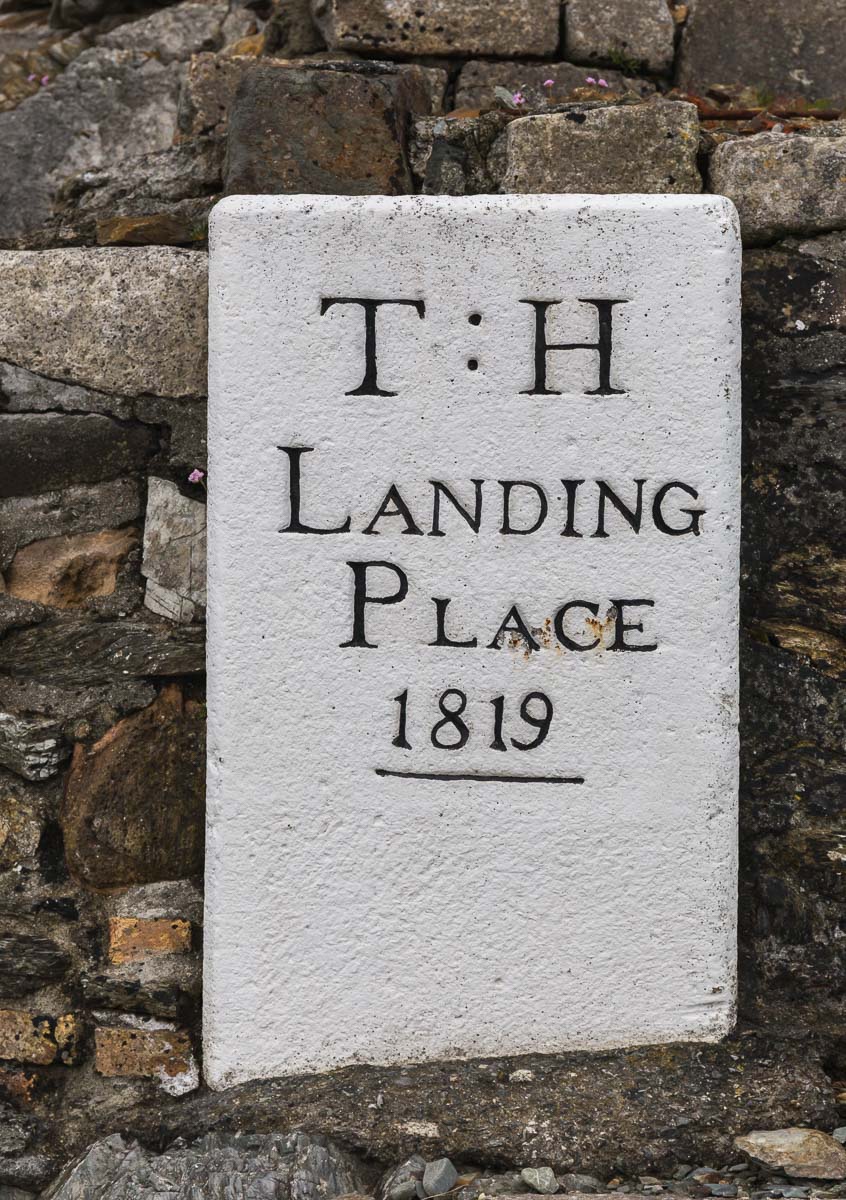
After paying my tabs at the shop and tavern, I made my way down the hill (your luggage gets picked up from the cottage again, a real luxury!).
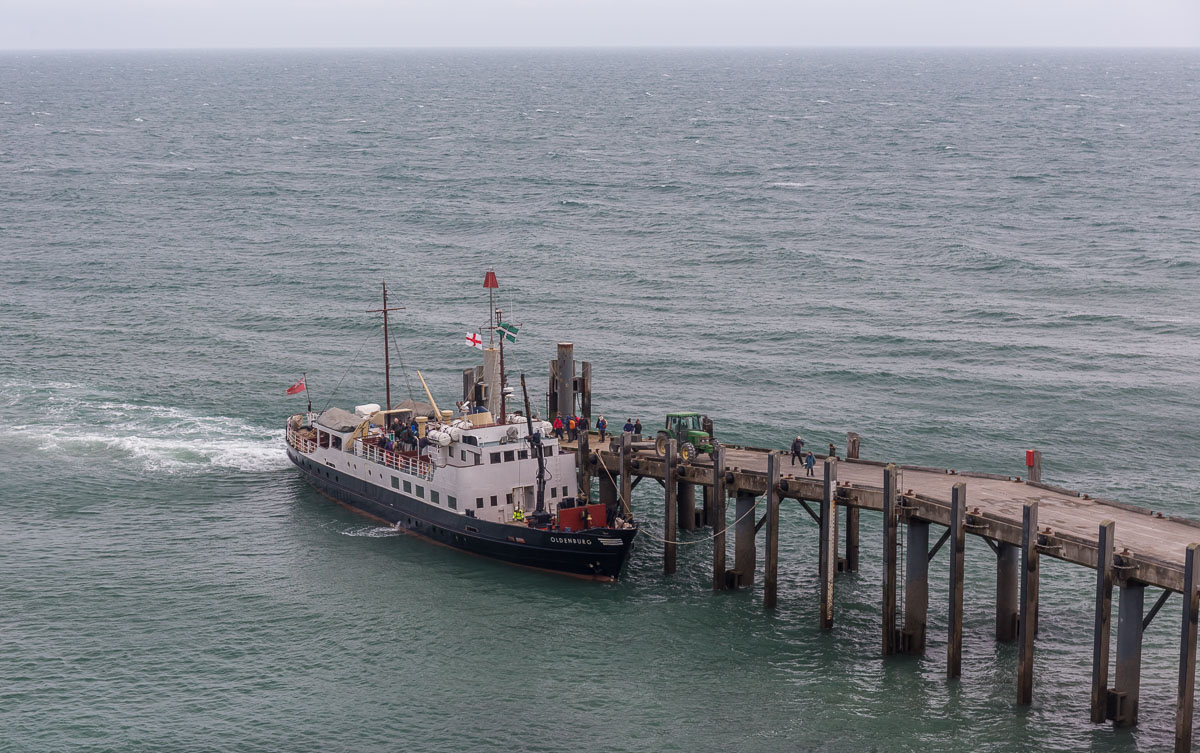
I watched the MS Oldenburg arrive – it looked choppy!

And then it was time to leave…
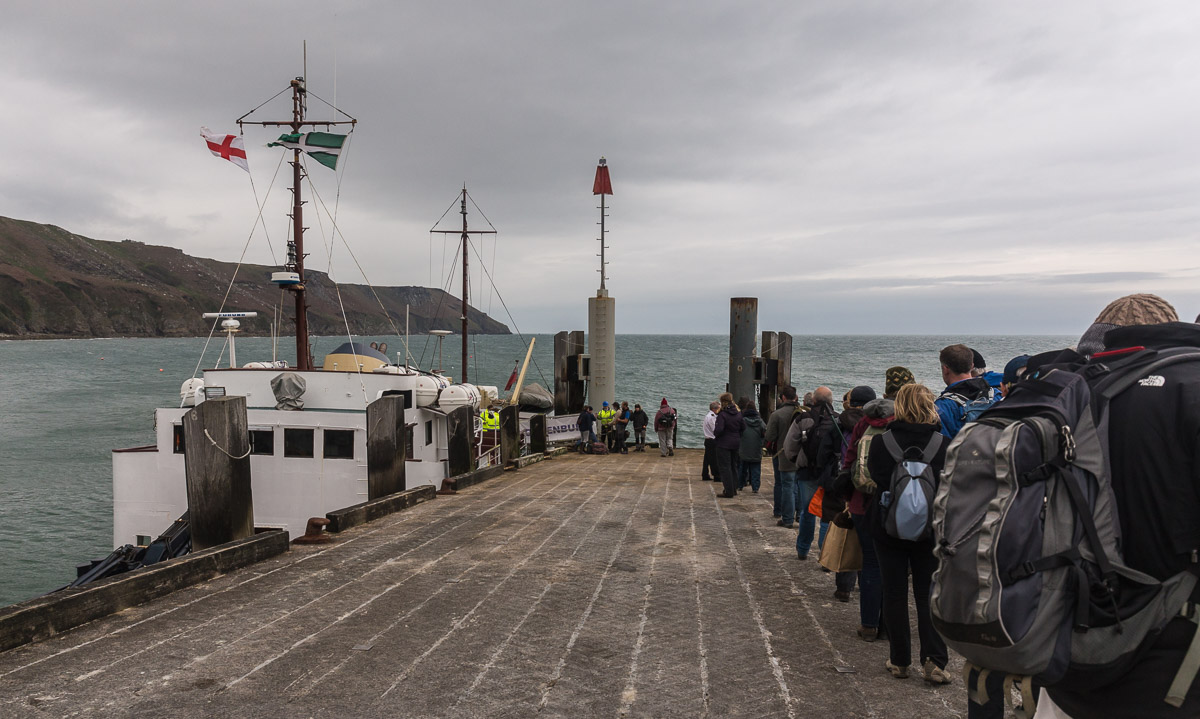
The way back was so different from the way there. The weather was very different obviously, but one nice difference was that on the way back I knew a lot of people on board and I had a very social trip back. What a great trip 🙂 I fell in love with Lundy and hope I can come back again!